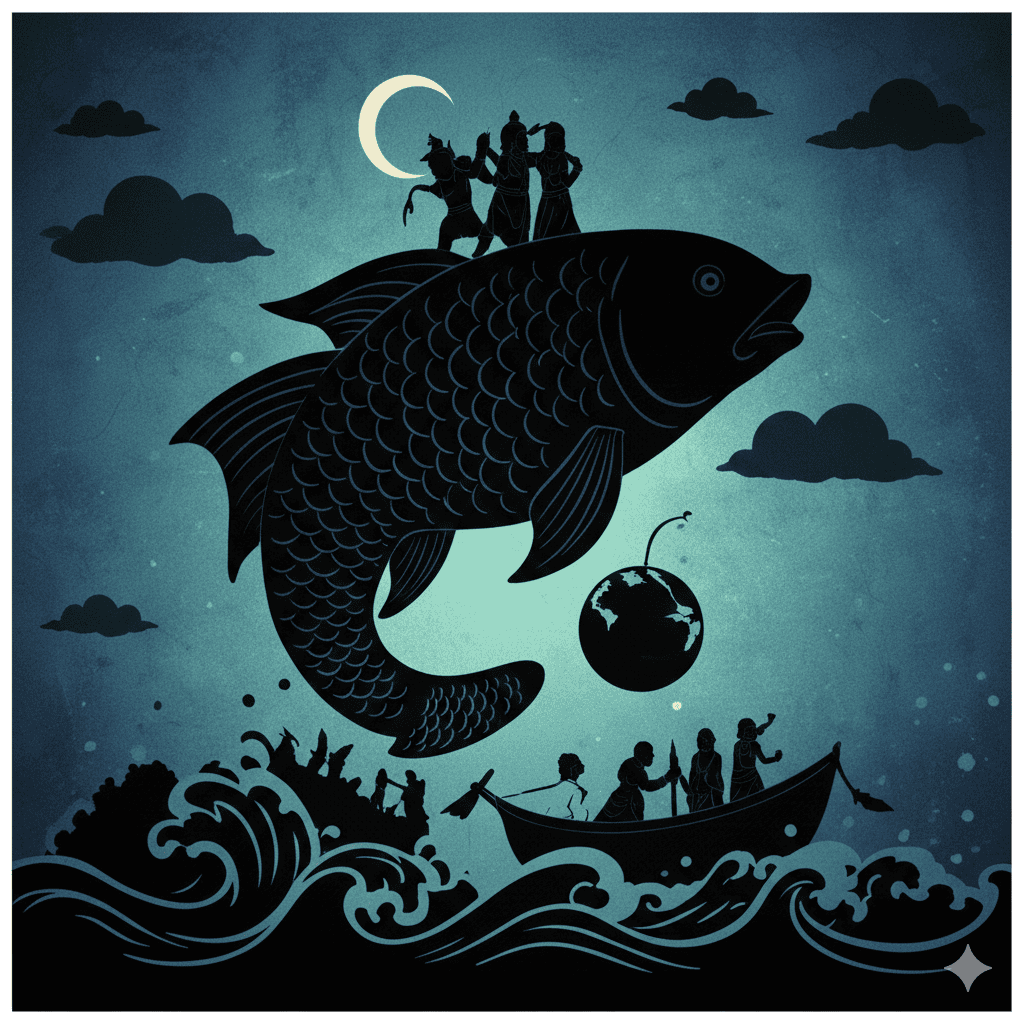
1. Matsya (The Fish)
Vishnu appeared as a giant fish to save Manu (the first man), the Vedas, and the seeds of all life from a great deluge. This avatar symbolizes the preservation of knowledge and life through catastrophic times.
Om Namo Narayanaya
Salutations to Lord Narayana, The Supreme Preserver
The Preserver and Protector of the Universe
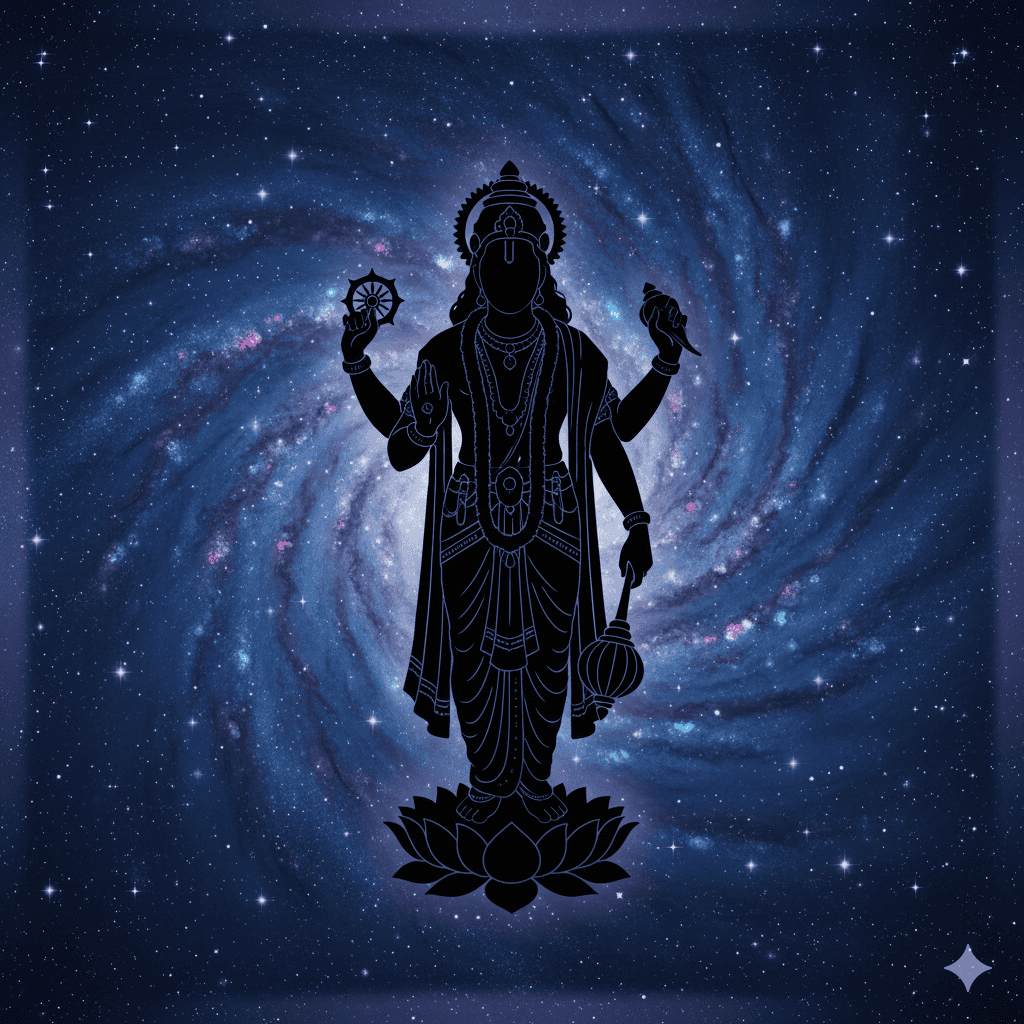
Bhagwan Vishnu is one of the principal deities of Hinduism and a member of the Hindu Trinity (Trimurti) alongside Brahma (the Creator) and Shiva (the Destroyer). Vishnu is revered as the Preserver and Protector of the universe, maintaining cosmic order (dharma) and harmony.
Known by many names including Narayana, Hari, Vasudeva, and Madhava, Lord Vishnu is worshipped across India and the world. He is depicted with blue skin, four arms holding a conch (shankha), discus (chakra), mace (gada), and lotus (padma), resting on the cosmic serpent Shesha.
The Eternal Celestial Paradise
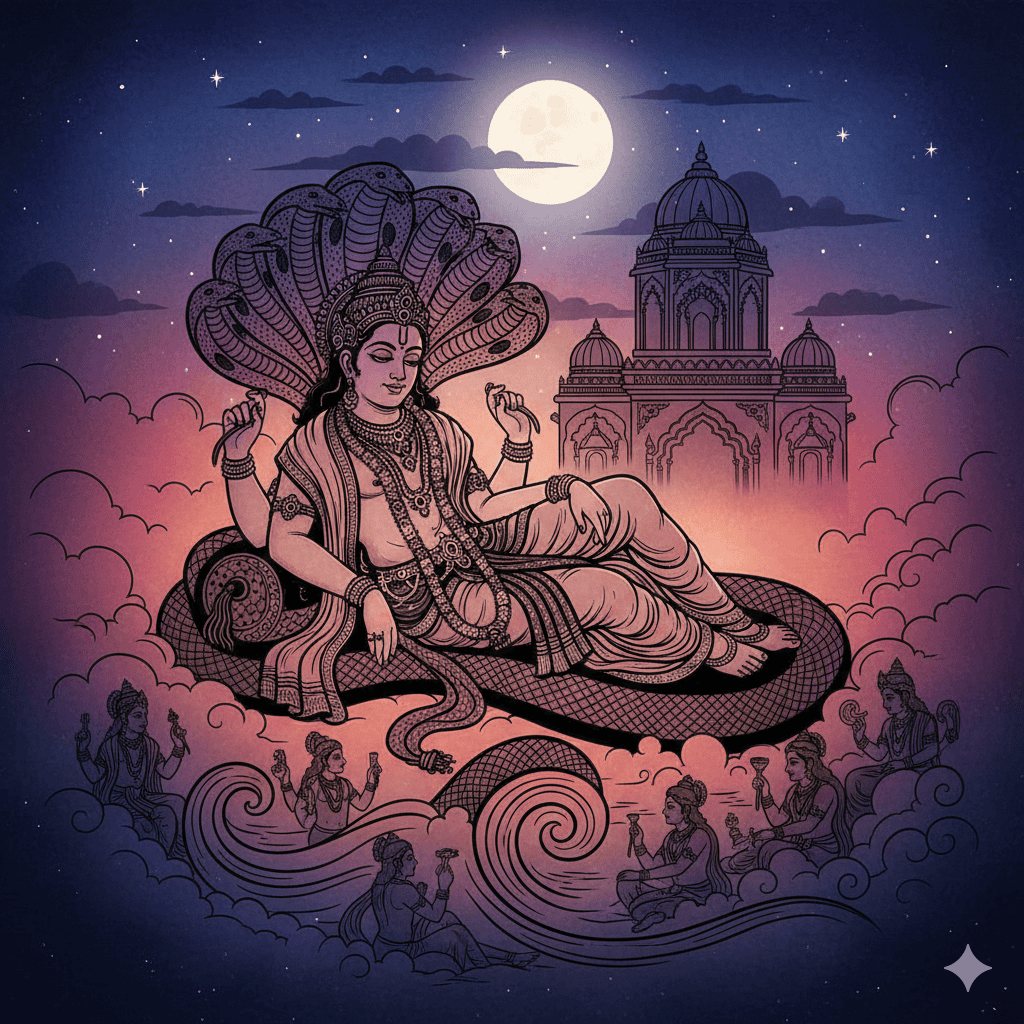
Vaikuntha is the supreme abode of Lord Vishnu, described as a place of eternal bliss beyond the material world. It is a realm of infinite splendor where there is no suffering, old age, or death. The abode is described in the Puranas as having gates guarded by Jaya and Vijaya, and being adorned with wish-fulfilling trees (Kalpa Vriksha).
In Vaikuntha, Lord Vishnu resides with Goddess Lakshmi, surrounded by liberated souls who have achieved moksha (liberation). The realm is said to be filled with divine light, celestial music, and the chanting of the Lord's names. It is the ultimate destination for devotees who seek eternal union with the Divine.
Incarnations Across the Yugas to Restore Dharma
Vishnu appeared as a giant fish to save Manu (the first man), the Vedas, and the seeds of all life from a great deluge. This avatar symbolizes the preservation of knowledge and life through catastrophic times.
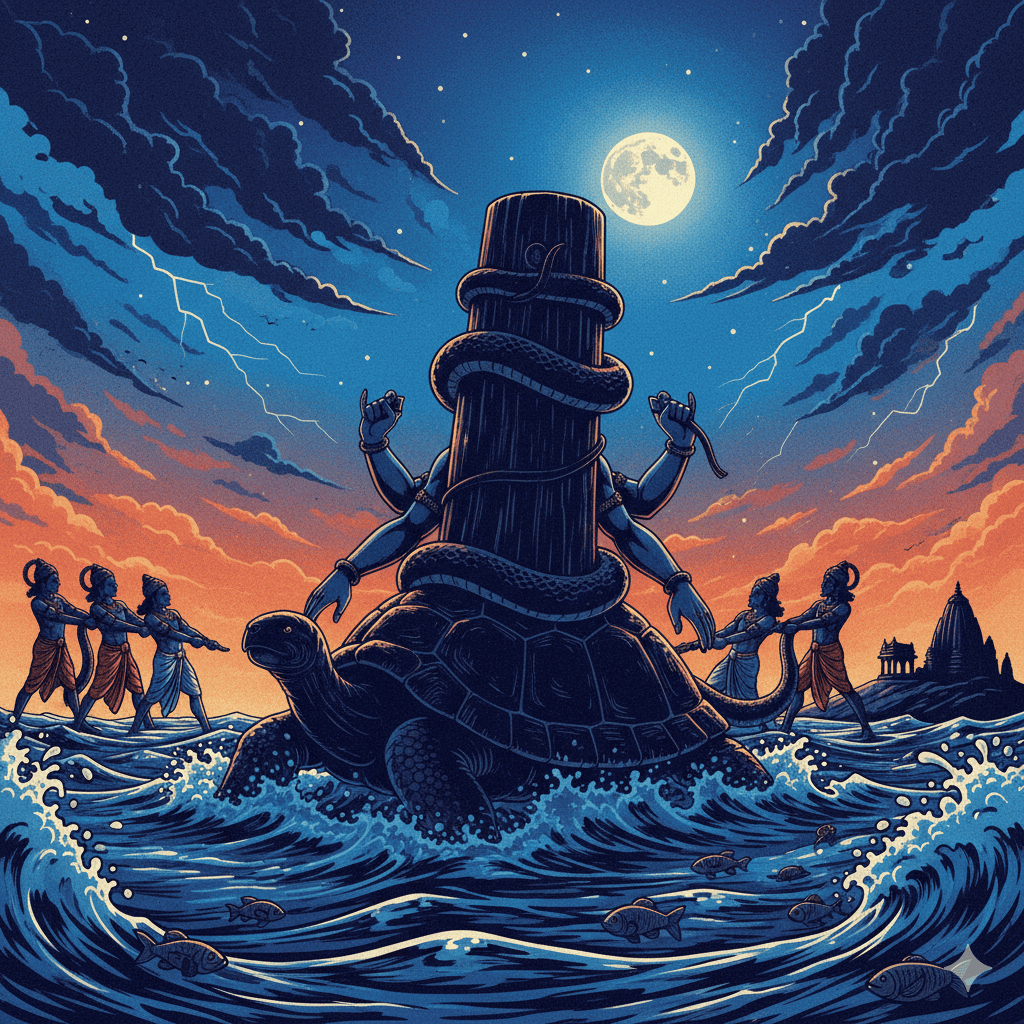
During the churning of the cosmic ocean (Samudra Manthan), Vishnu took the form of a giant tortoise to support Mount Mandara on his back. This event led to the emergence of various divine treasures including the nectar of immortality (amrita) and Goddess Lakshmi.
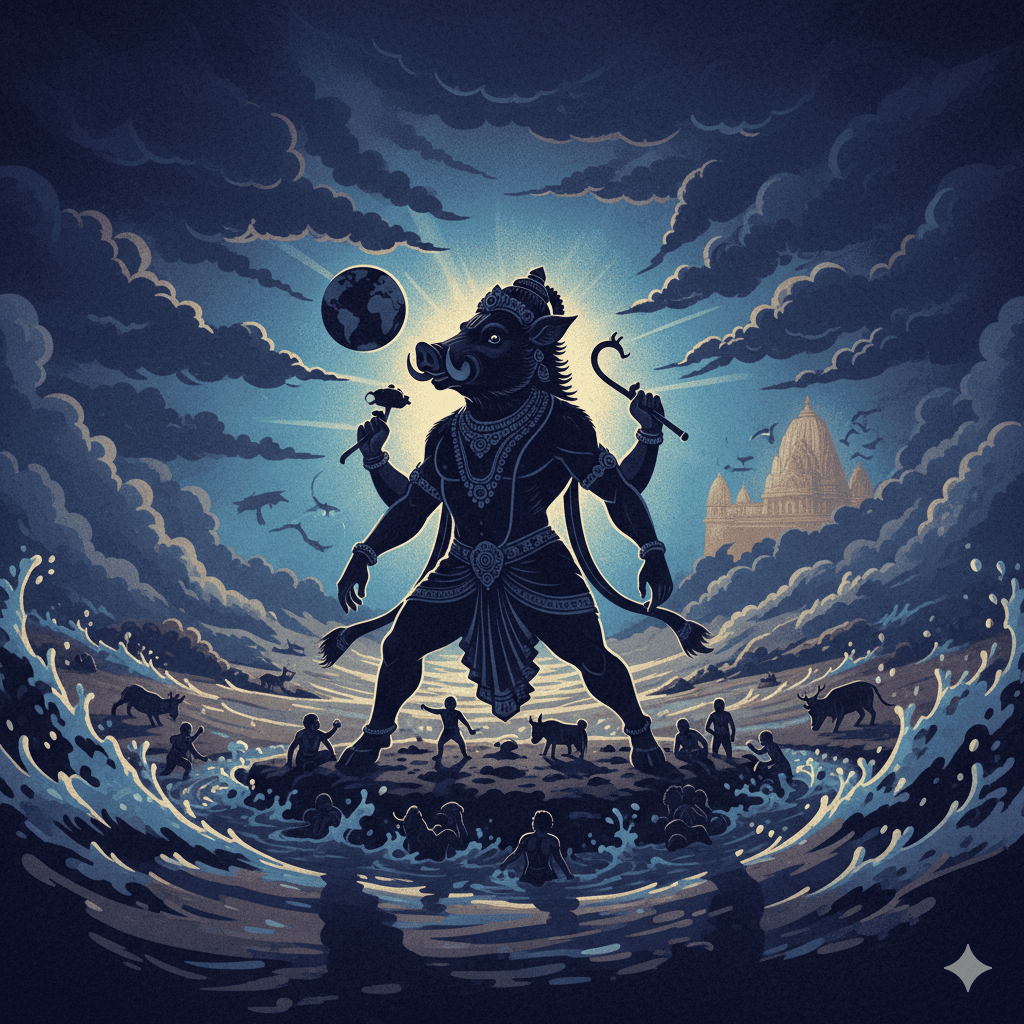
When the demon Hiranyaksha dragged the Earth to the bottom of the cosmic ocean, Vishnu appeared as a mighty boar, battled the demon for a thousand years, and rescued the Earth, placing it back in its rightful position in the universe.
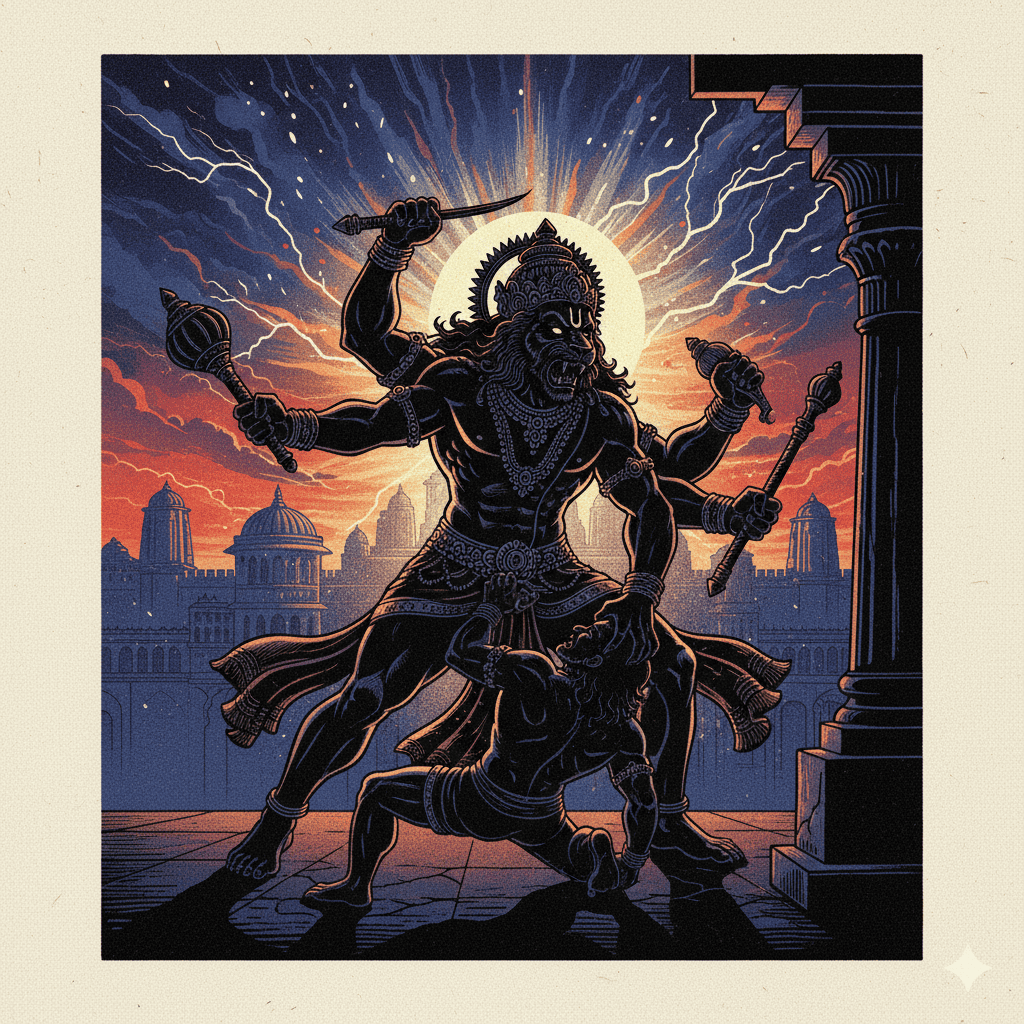
To protect his devotee Prahlada from his demon father Hiranyakashipu, Vishnu emerged as half-man, half-lion at twilight (neither day nor night), on a threshold (neither inside nor outside), and destroyed the demon who had a boon that he couldn't be killed by man or beast, day or night, inside or outside.
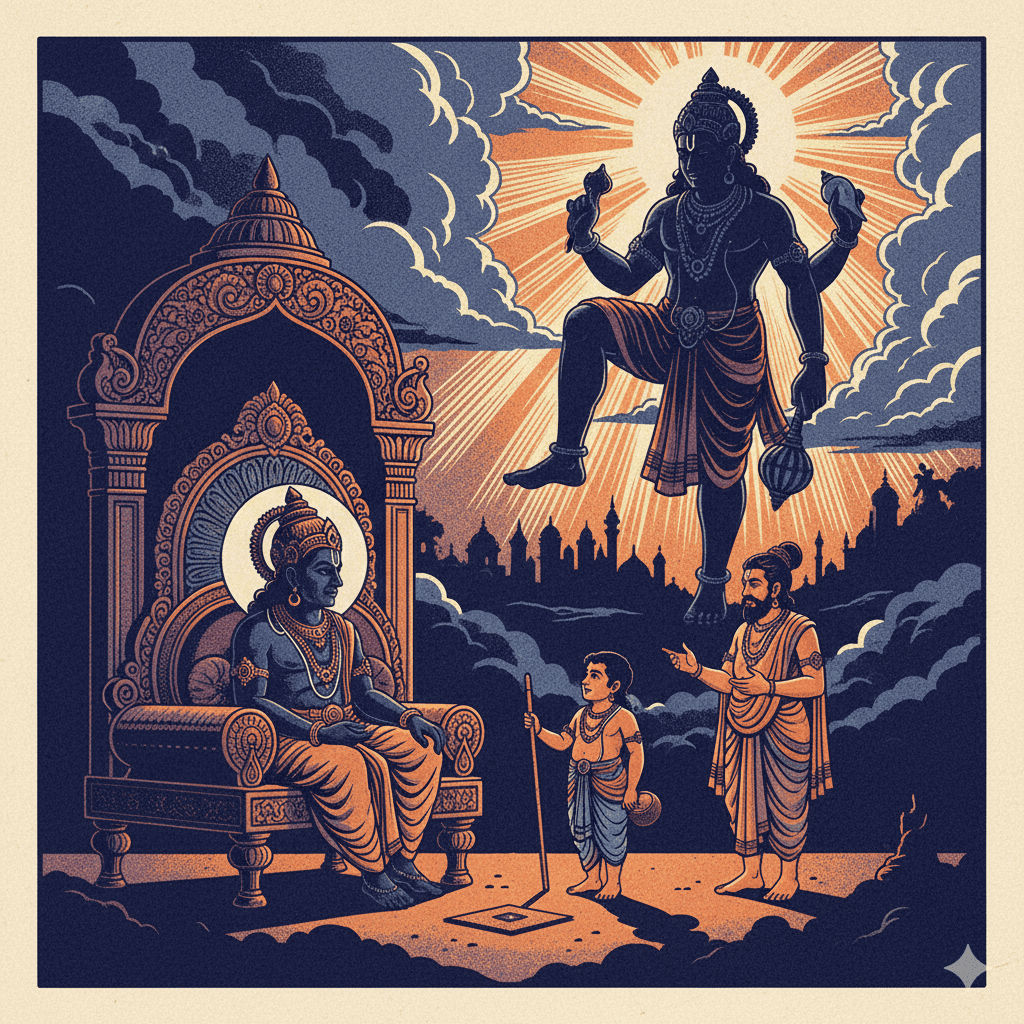
When the demon king Bali conquered the three worlds through his devotion and penance, Vishnu appeared as a dwarf Brahmin. He asked Bali for three paces of land. When granted, Vamana grew to cosmic proportions and covered the earth, heavens, and the universe in three steps, restoring balance.
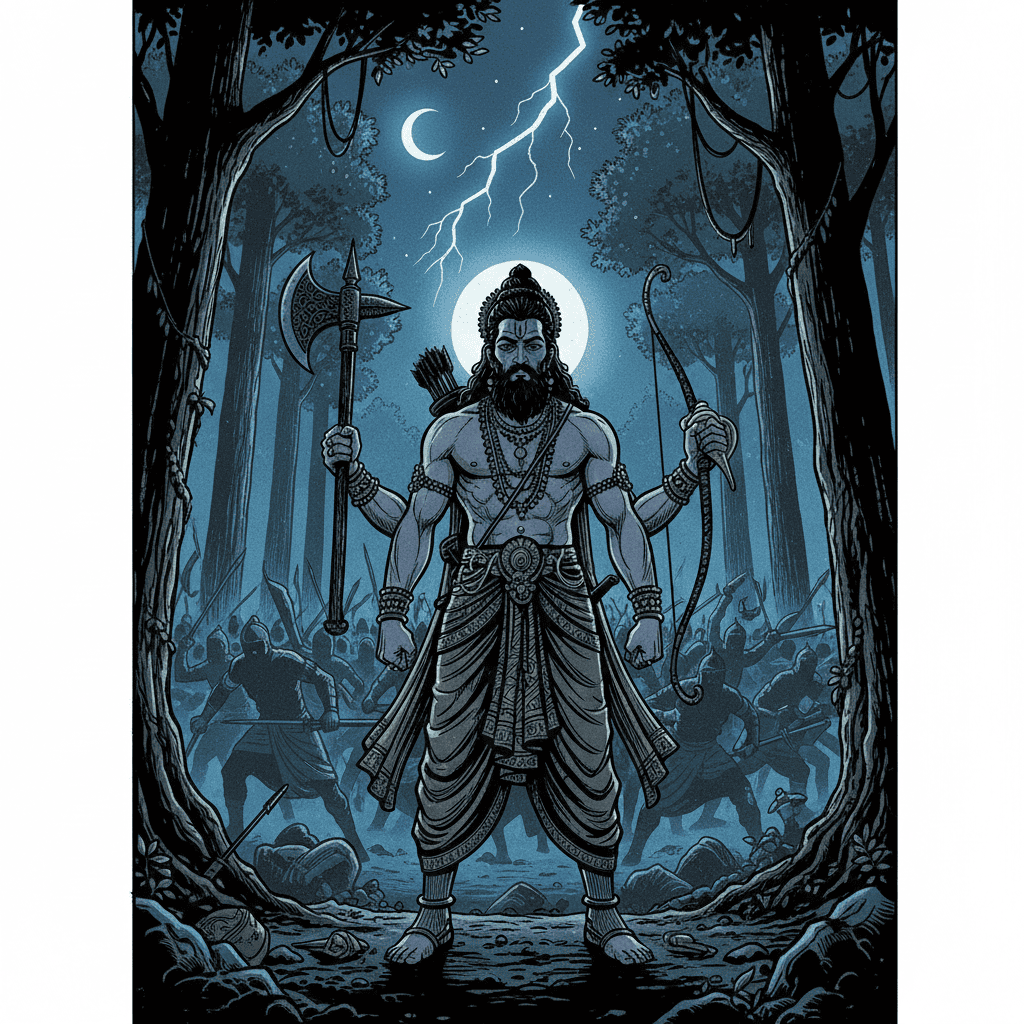
Born as the son of sage Jamadagni, Parashurama was a Brahmin warrior who wielded an axe. He destroyed corrupt Kshatriya rulers twenty-one times to restore righteousness and protect Brahmins and common people from tyranny.
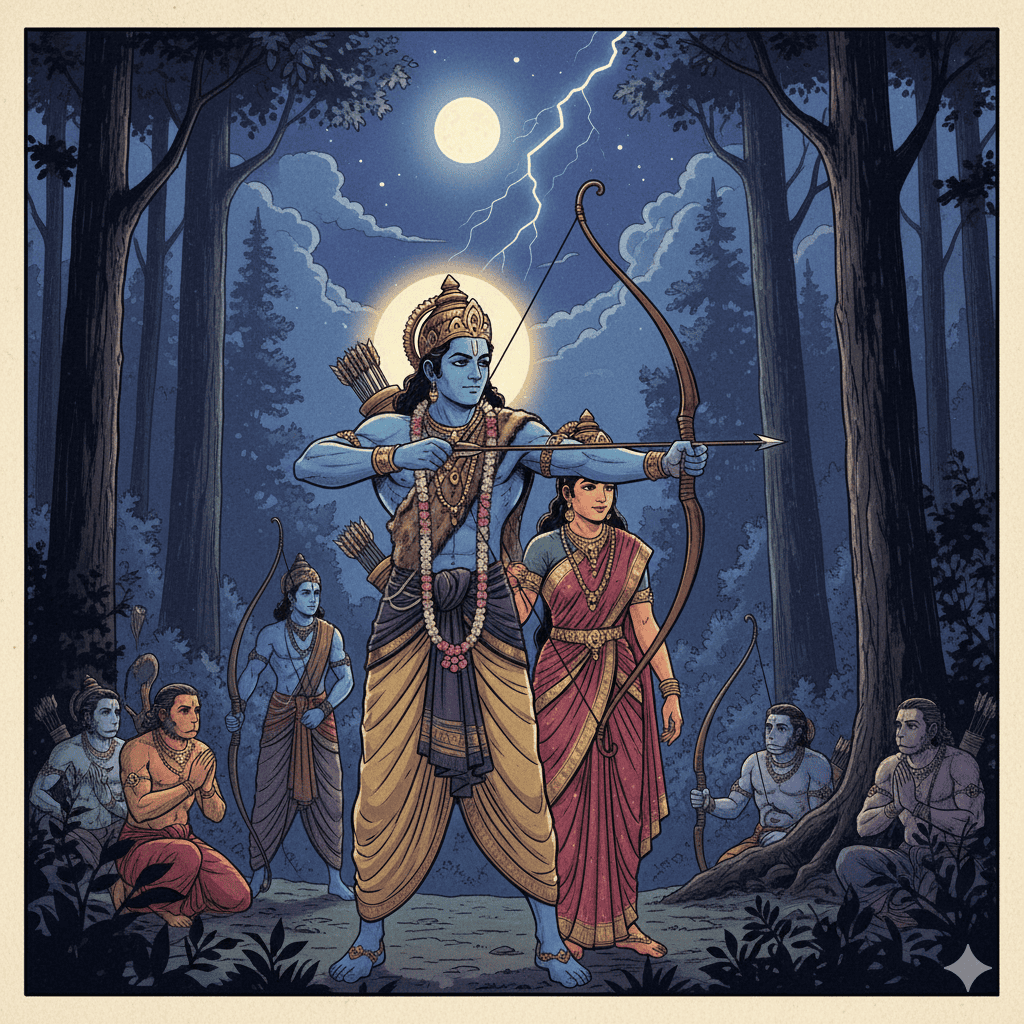
Lord Rama, hero of the epic Ramayana, incarnated to destroy the demon king Ravana and establish the ideal of Dharma. His life exemplifies perfect son, perfect husband, perfect brother, and perfect king (Maryada Purushottam). With his consort Sita and devoted Hanuman, he represents the triumph of good over evil.
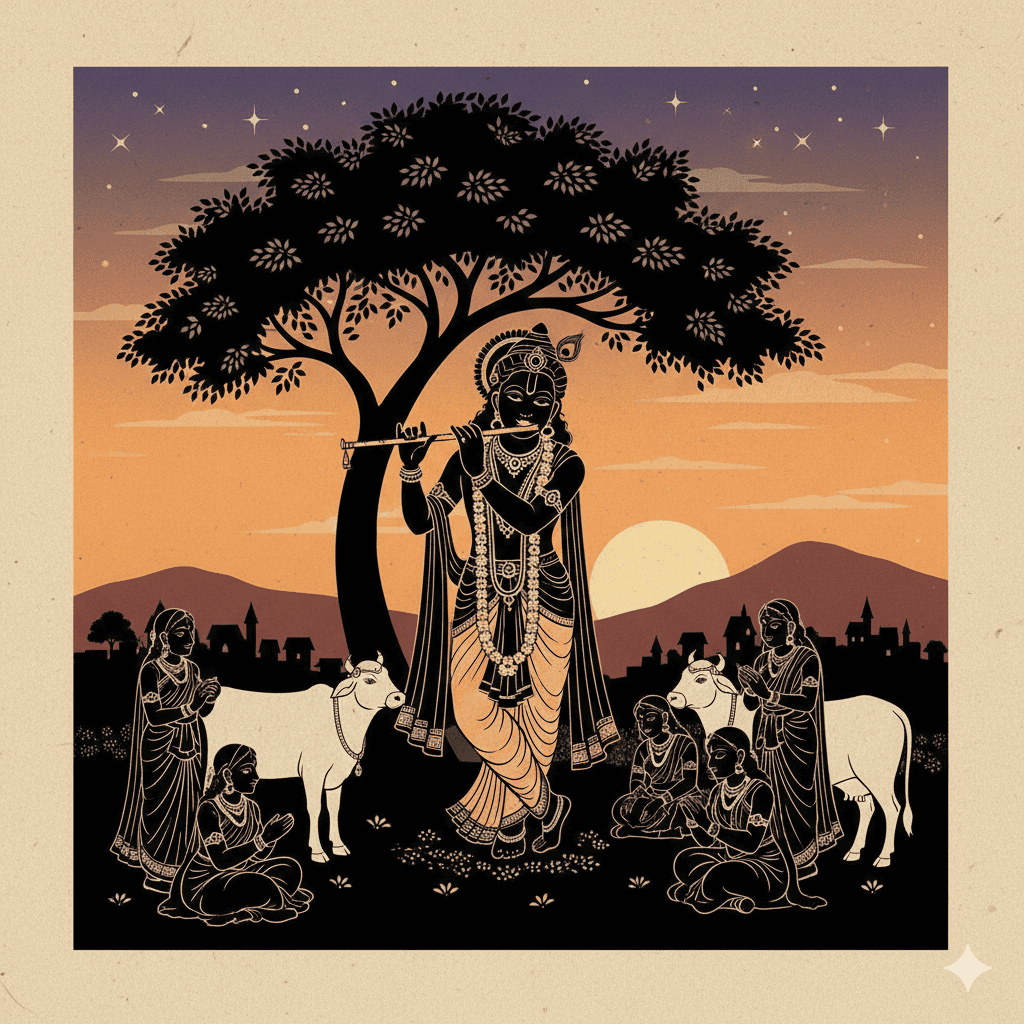
Lord Krishna, central figure of the Mahabharata and Bhagavad Gita, appeared to destroy the demon Kamsa and guide humanity. His teachings in the Bhagavad Gita form the philosophical foundation of Hinduism. As charioteer of Arjuna, he taught the path of Karma, Bhakti, and Jnana yoga.
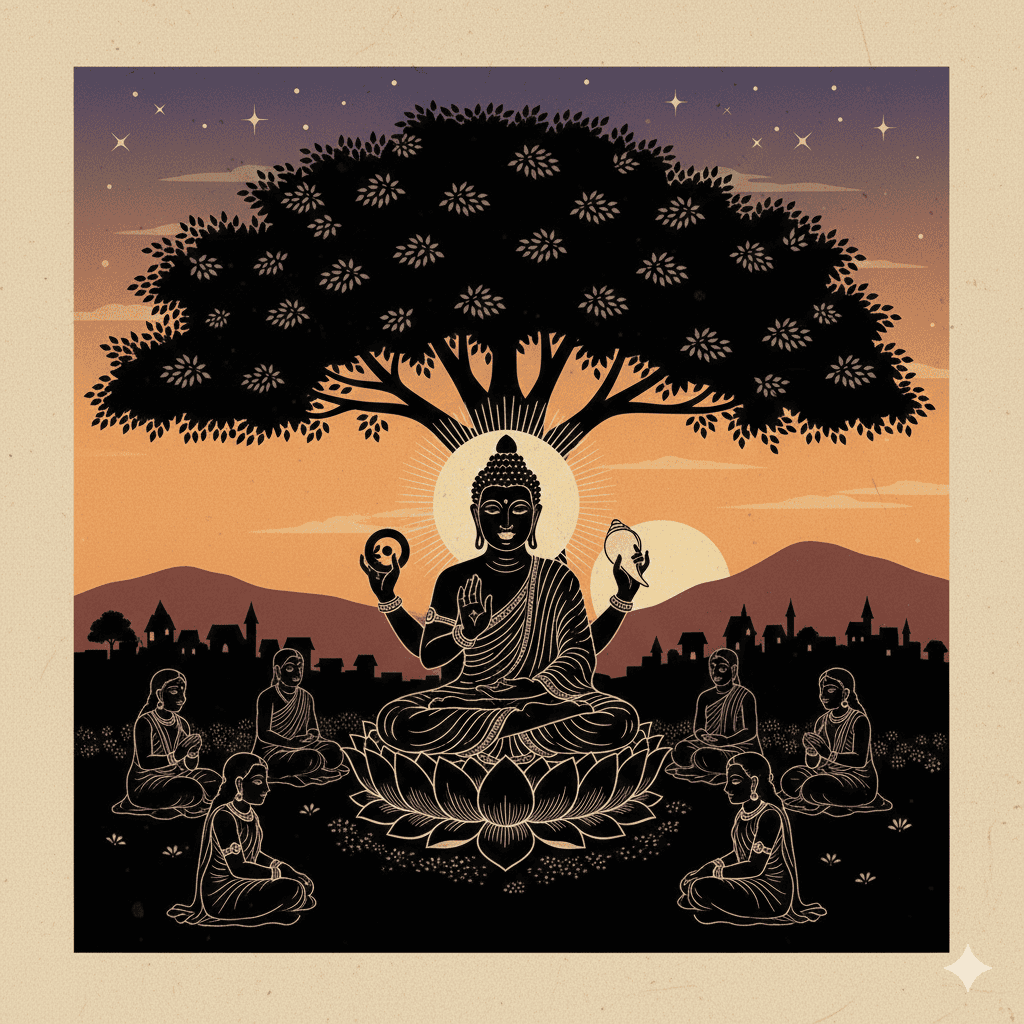
Siddhartha Gautama, who became Buddha, is considered the ninth avatar who taught compassion, non-violence, and the middle path. He appeared to guide those who had strayed from Vedic practices and to emphasize ahimsa (non-violence) and compassion towards all beings.
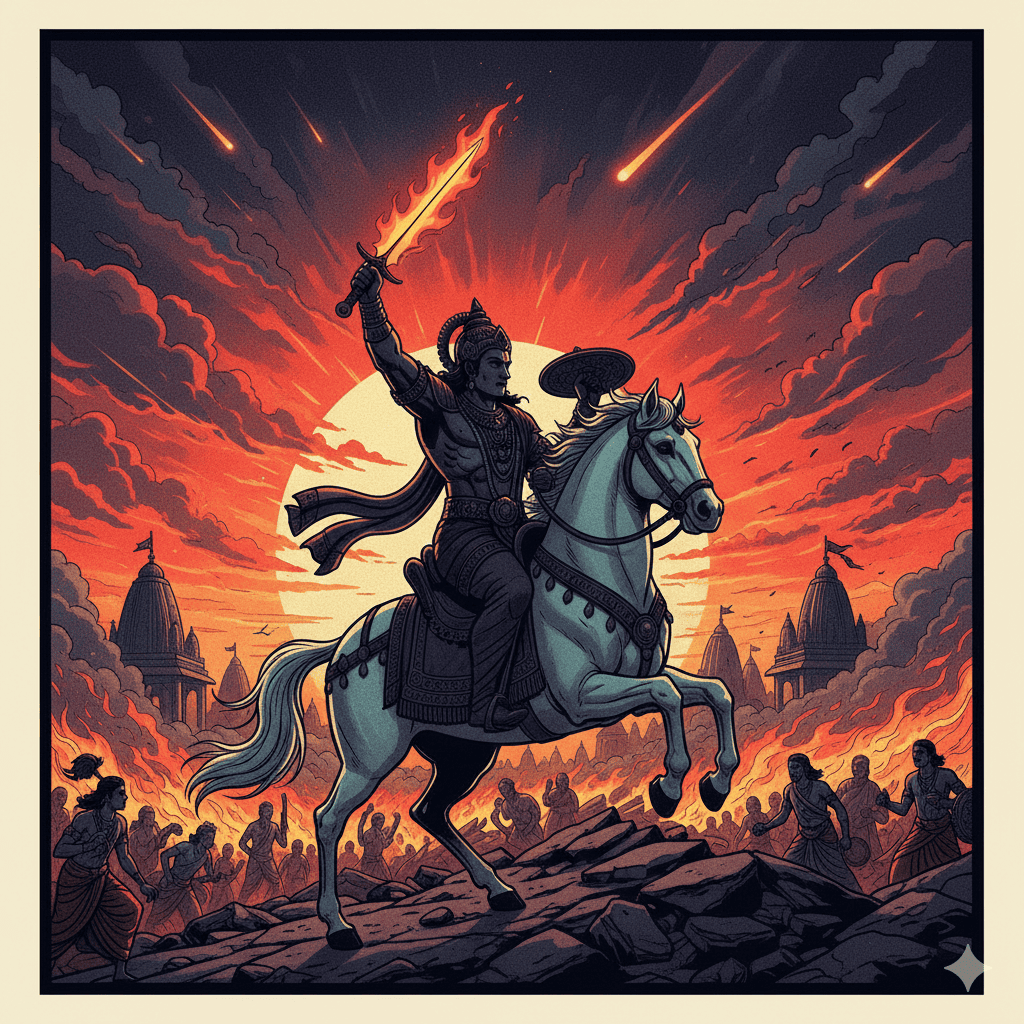
Kalki, the tenth and final avatar, is prophesied to appear at the end of Kali Yuga riding a white horse named Devadatta, wielding a blazing sword. He will destroy evil, punish the wicked, restore dharma, and usher in a new Satya Yuga (golden age).
The Inseparable Shakti of Lord Vishnu
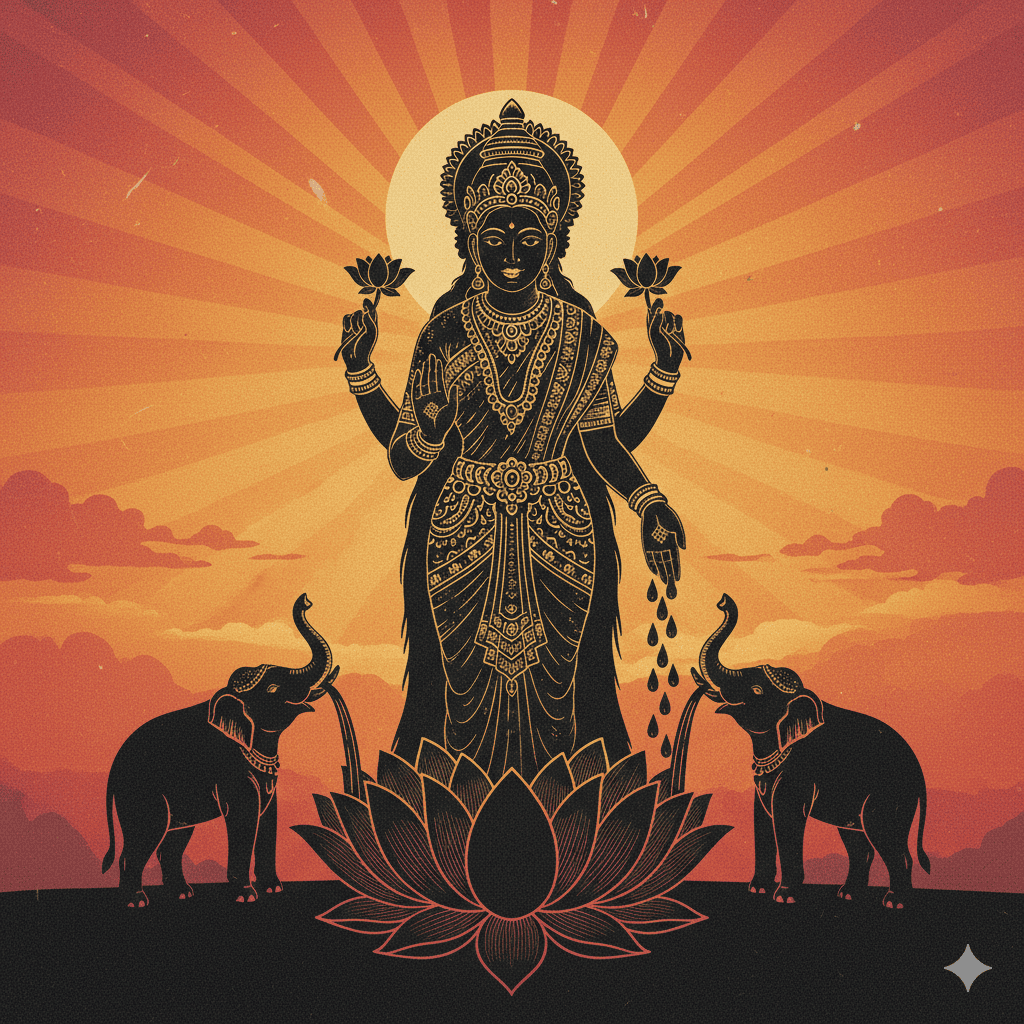
Goddess Lakshmi is the eternal consort of Lord Vishnu, representing wealth, fortune, prosperity, beauty, and abundance. She is Vishnu's divine shakti (energy) and inseparable from him. The concept of 'Lakshmi-Narayana' represents their eternal union - Vishnu as the preserver and Lakshmi as the nourisher.
In all of Vishnu's avatars, Lakshmi accompanies him: as Sita with Rama, as Rukmini and Radha with Krishna, and as Dharani (Earth) with Varaha. Together they represent the perfect balance of preservation (Vishnu) and abundance (Lakshmi).
She is depicted seated on a lotus, holding lotus flowers, with gold coins flowing from her hands, symbolizing both spiritual and material prosperity. She is especially worshipped during Diwali, the festival of lights, when devotees seek her blessings for prosperity and well-being.
Tales of Divine Grace and Protection
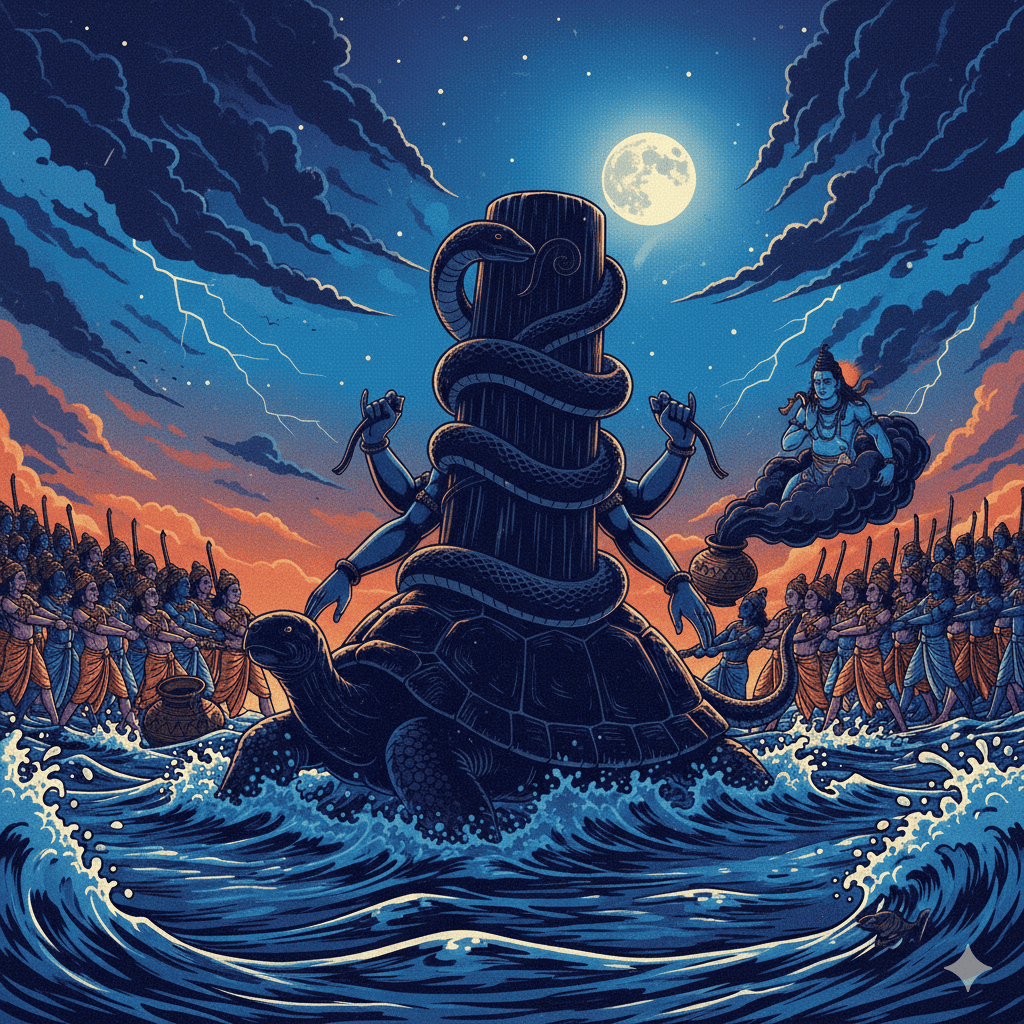
Devas and Asuras churned the cosmic ocean using Mount Mandara as the churning rod and serpent Vasuki as the rope. Vishnu appeared as Kurma to support the mountain. From this churning emerged fourteen precious treasures including Goddess Lakshmi, the nectar of immortality (amrita), and the deadly poison (halahala) which Shiva consumed.
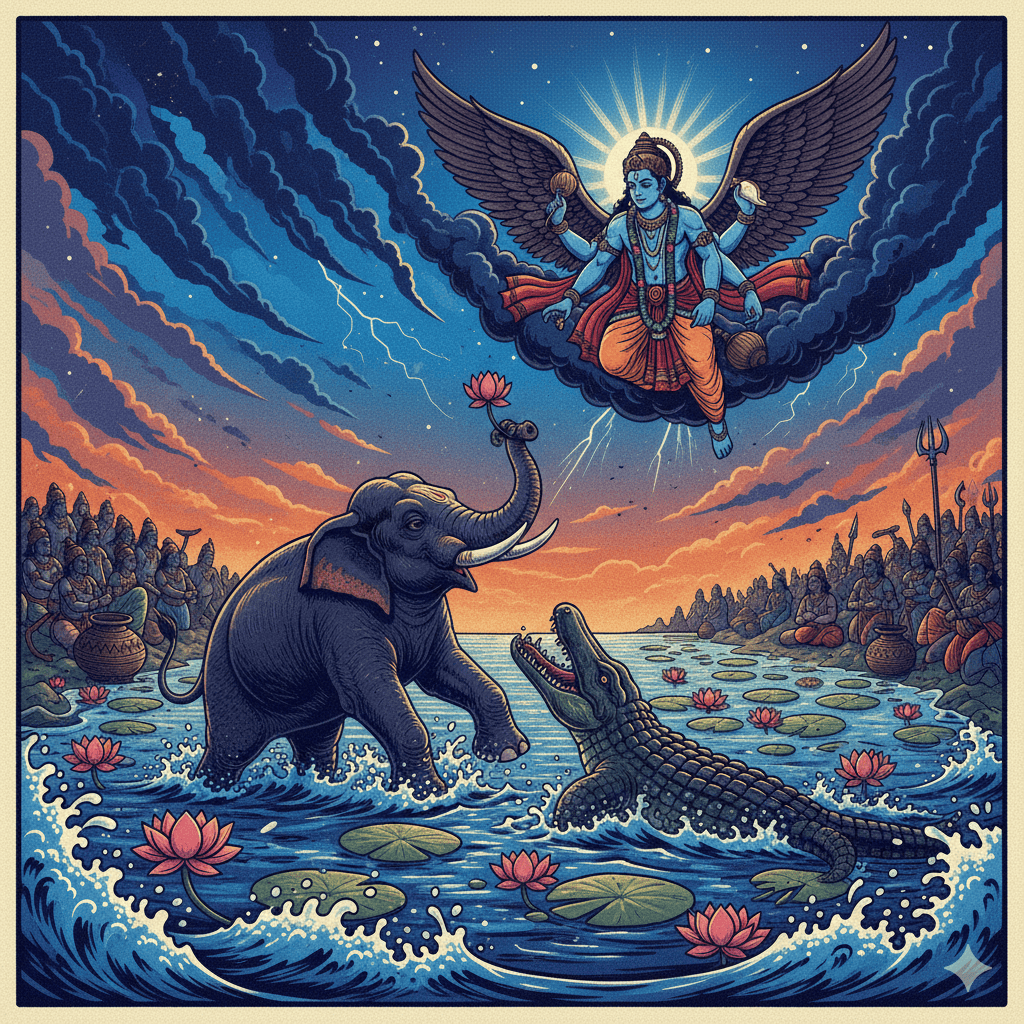
Gajendra, the elephant king, was attacked by a crocodile while bathing in a lake. After struggling for a thousand years, he surrendered to Vishnu with a lotus flower, calling out for help. Vishnu immediately appeared on Garuda and freed him, granting him moksha (liberation).
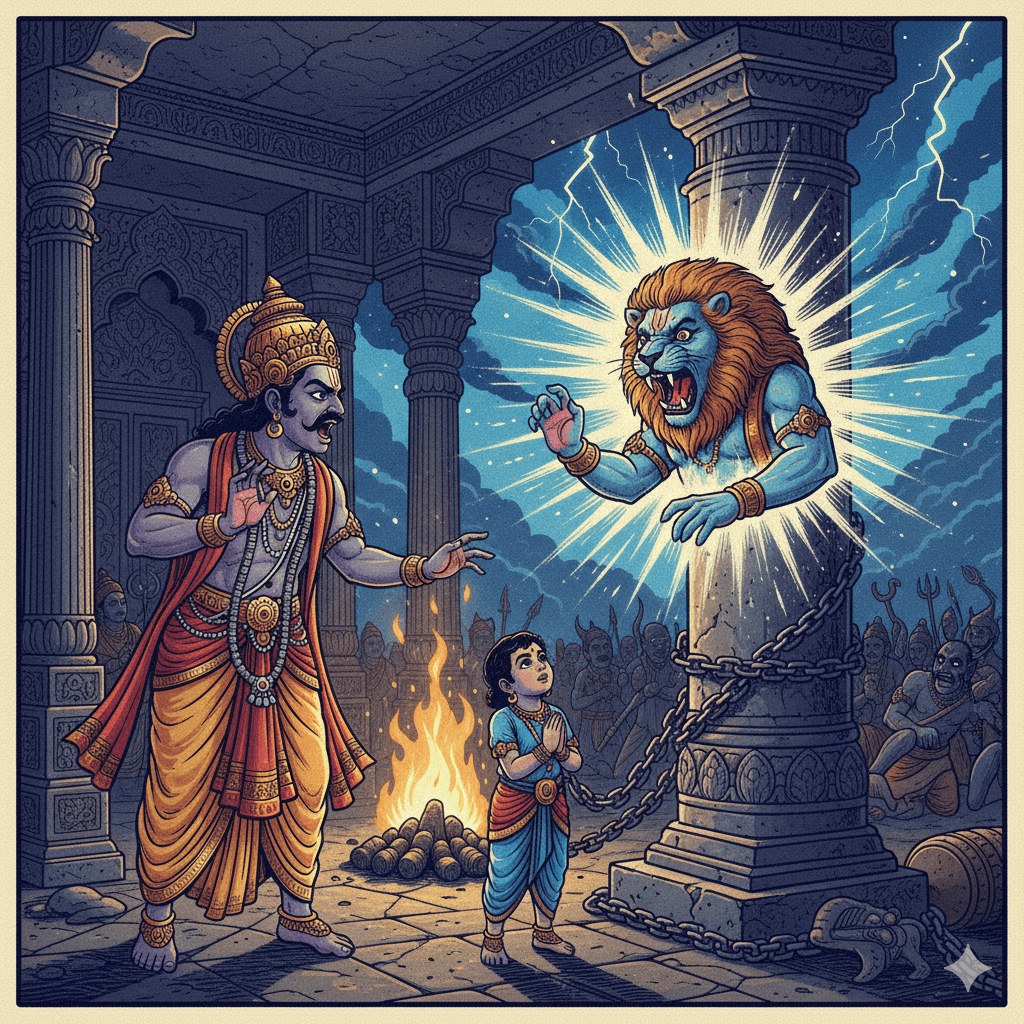
Prahlada, son of demon king Hiranyakashipu, was a devoted follower of Vishnu despite his father's opposition. When Hiranyakashipu tried to kill Prahlada multiple times, Vishnu appeared as Narasimha (half-man, half-lion) and protected his devotee, destroying the demon.
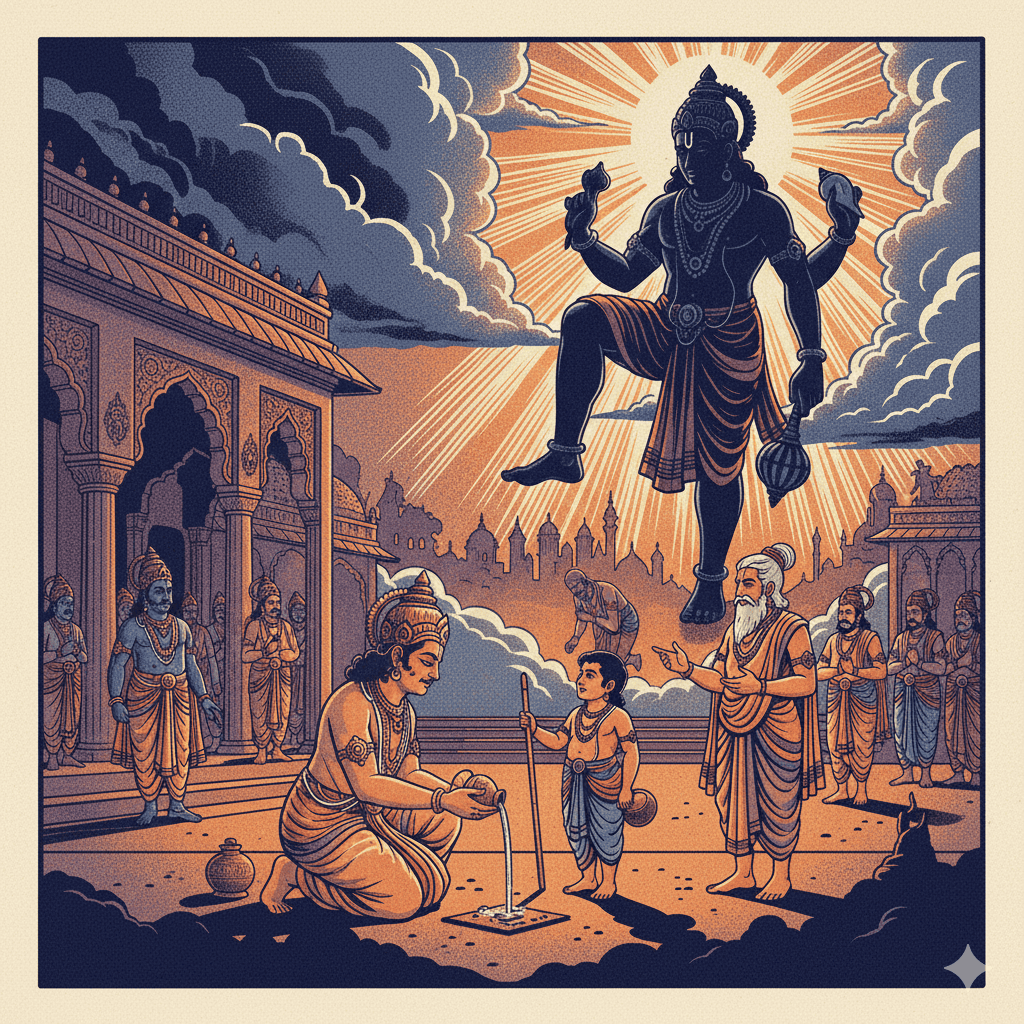
King Bali, through his devotion and penance, conquered the three worlds. To restore cosmic balance, Vishnu appeared as Vamana, a dwarf Brahmin, and asked Bali for three paces of land. When granted, Vamana grew to cosmic size and covered everything in three steps.
Saints and Devotees Who Attained His Grace
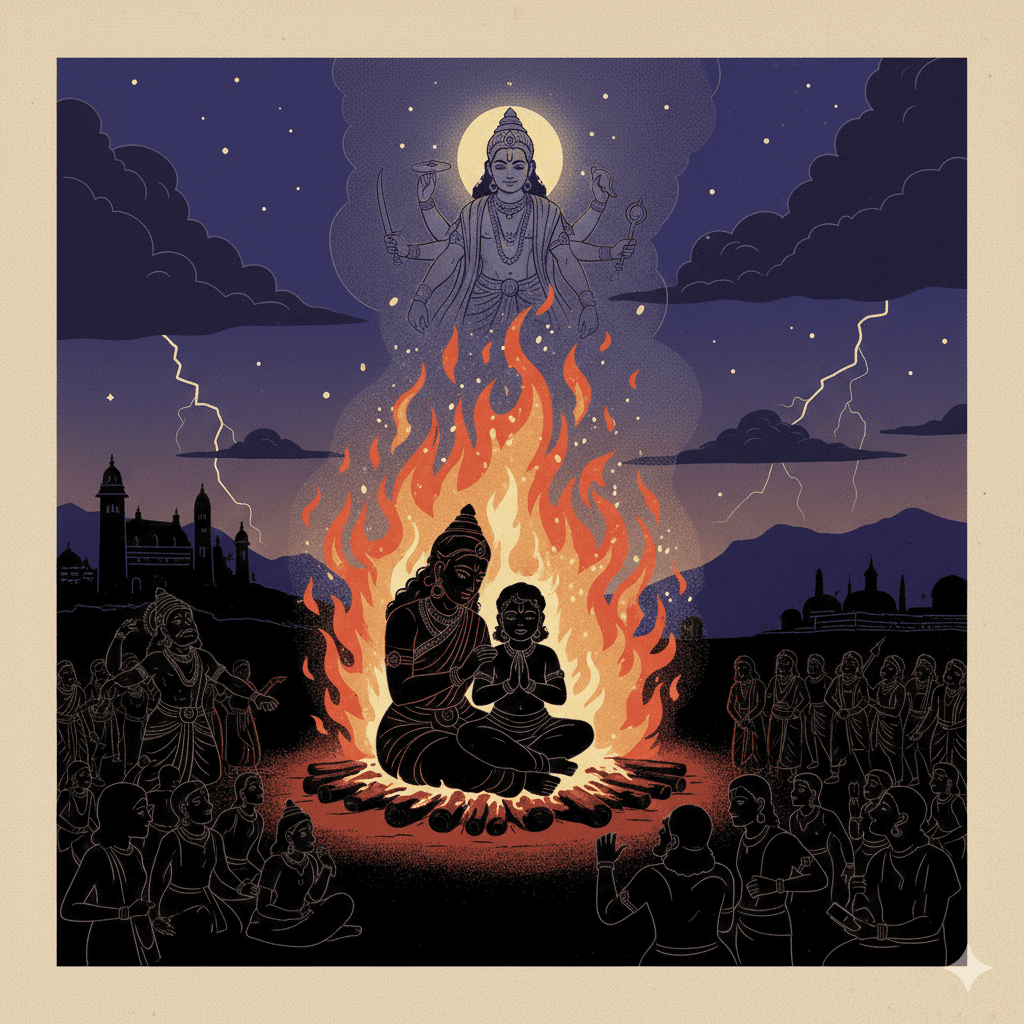
The child devotee whose unshakeable faith in Vishnu despite his father Hiranyakashipu's cruelty led to the Narasimha avatar. His devotion is considered the ideal of unwavering faith. Despite torture and attempts on his life, young Prahlada never wavered in his devotion to Lord Vishnu.
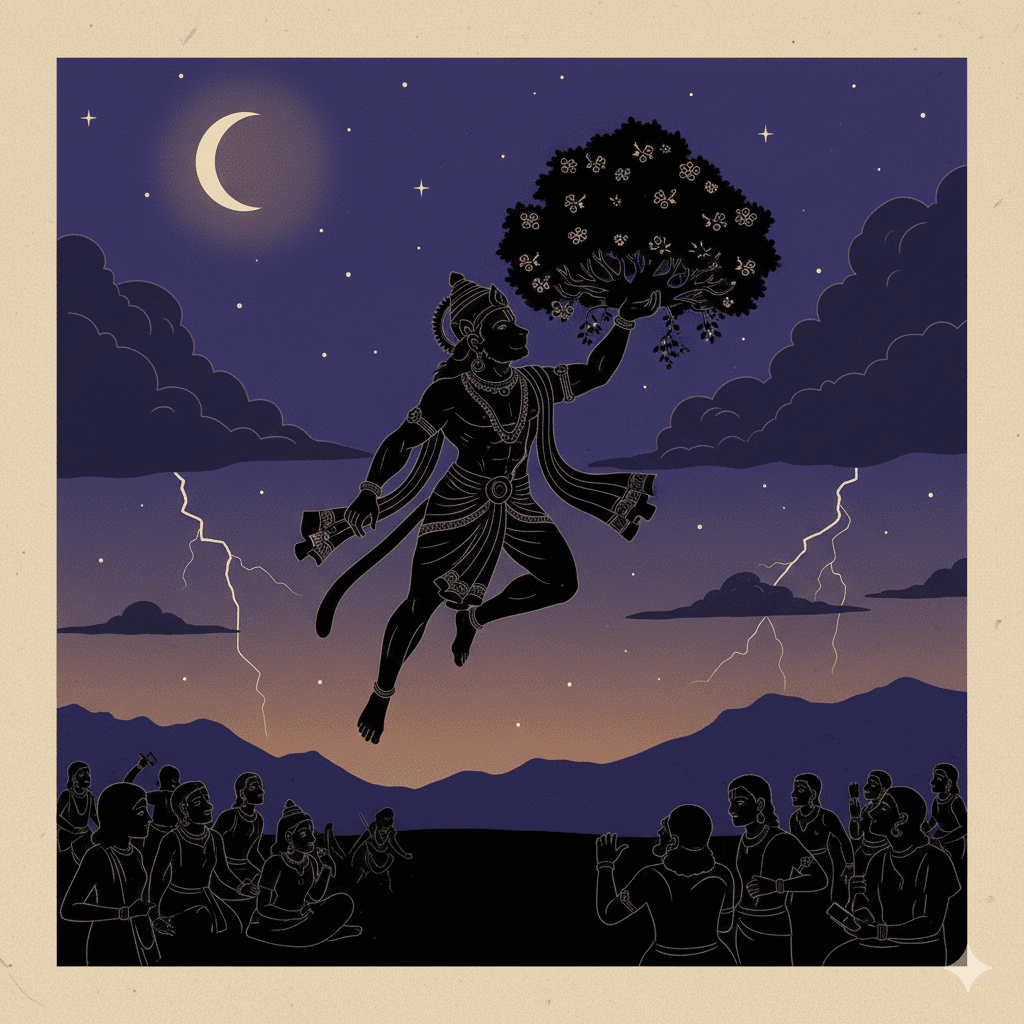
The devoted servant of Lord Rama, Hanuman embodies perfect devotion (bhakti), strength, and selfless service. He is considered immortal (Chiranjeevi) and continues to serve Rama eternally. His leap to Lanka and burning of the demon city demonstrated his extraordinary powers, all dedicated to serving his Lord.
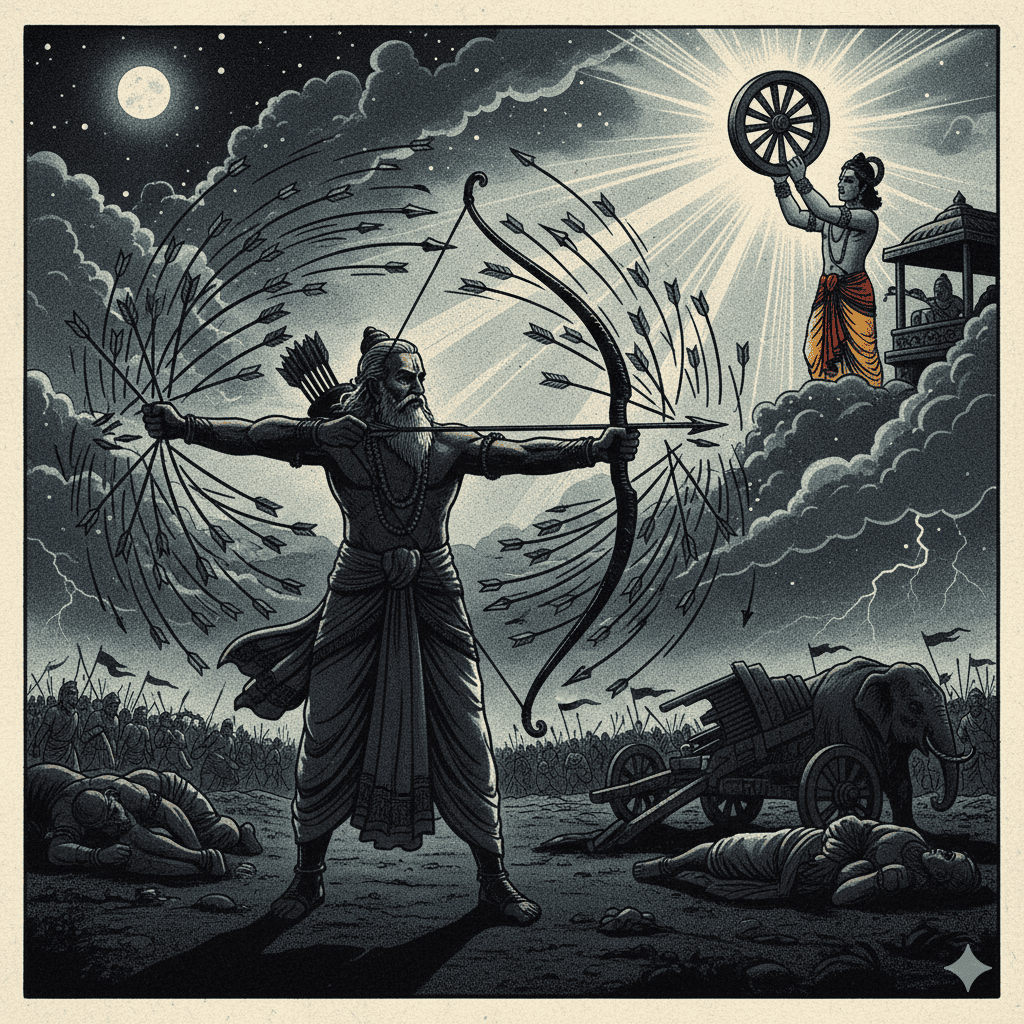
The grandsire of the Mahabharata who narrated the Vishnu Sahasranamam to Yudhishthira on his deathbed. His devotion and knowledge of Vishnu's thousand names granted him the power to choose the time of his death. He waited on a bed of arrows until the auspicious Uttarayana to leave his mortal body.
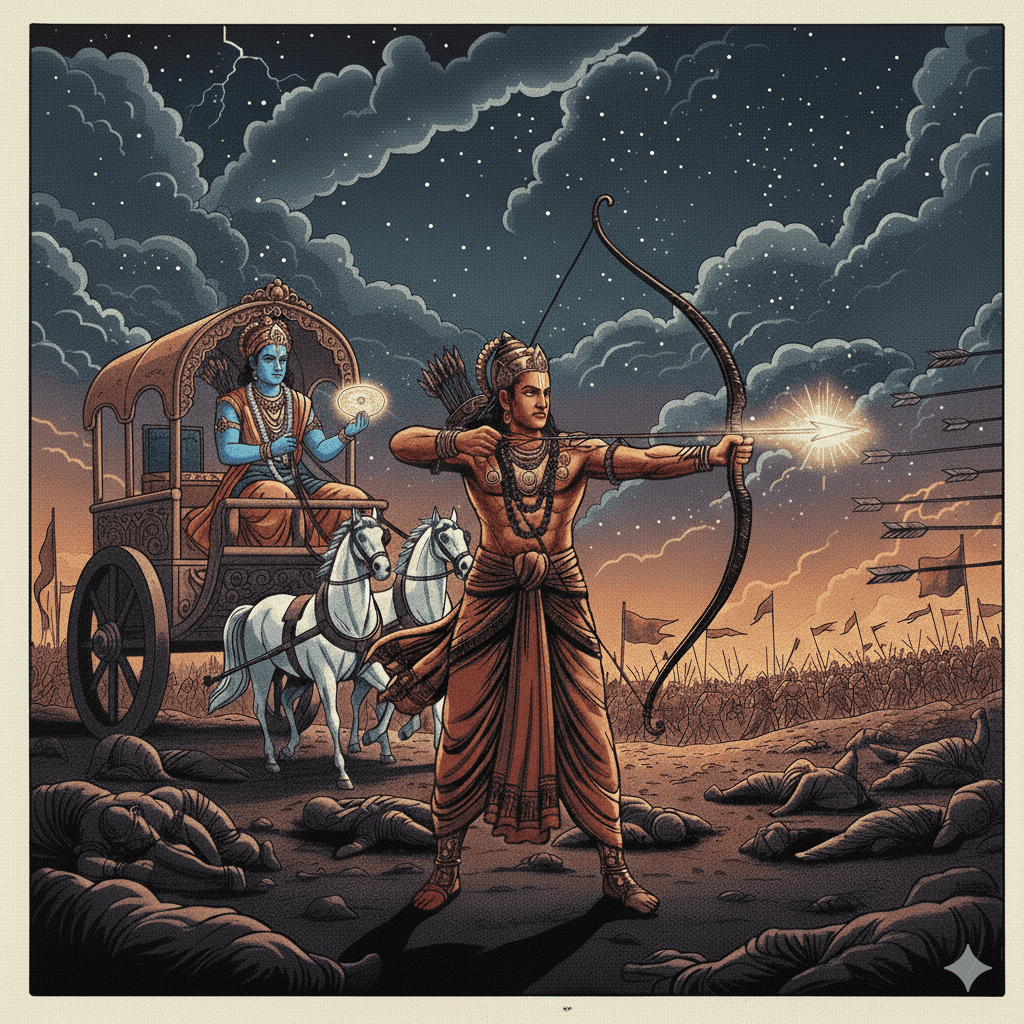
Krishna's dear friend and disciple who received the divine knowledge of Bhagavad Gita on the battlefield of Kurukshetra. His relationship with Krishna shows the friendship aspect of devotion (sakhya bhava). Lord Krishna served as his charioteer and guide, revealing his universal form (Vishvarupa) to him.
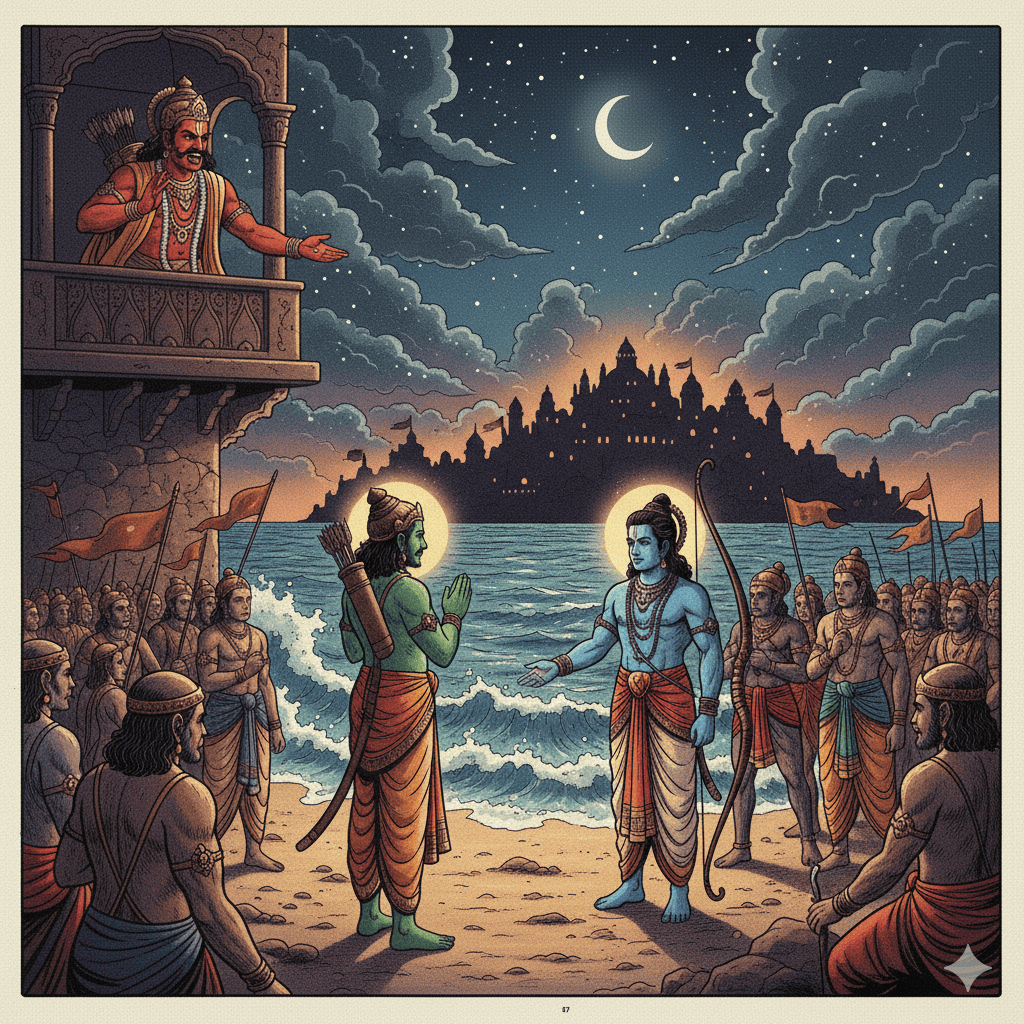
Ravana's righteous brother who chose dharma over family loyalty and joined Lord Rama during the war against Lanka. His devotion was rewarded with the kingdom of Lanka and eternal service to the Lord. Despite being a rakshasa, his devotion to dharma made him immortal and a beloved devotee.
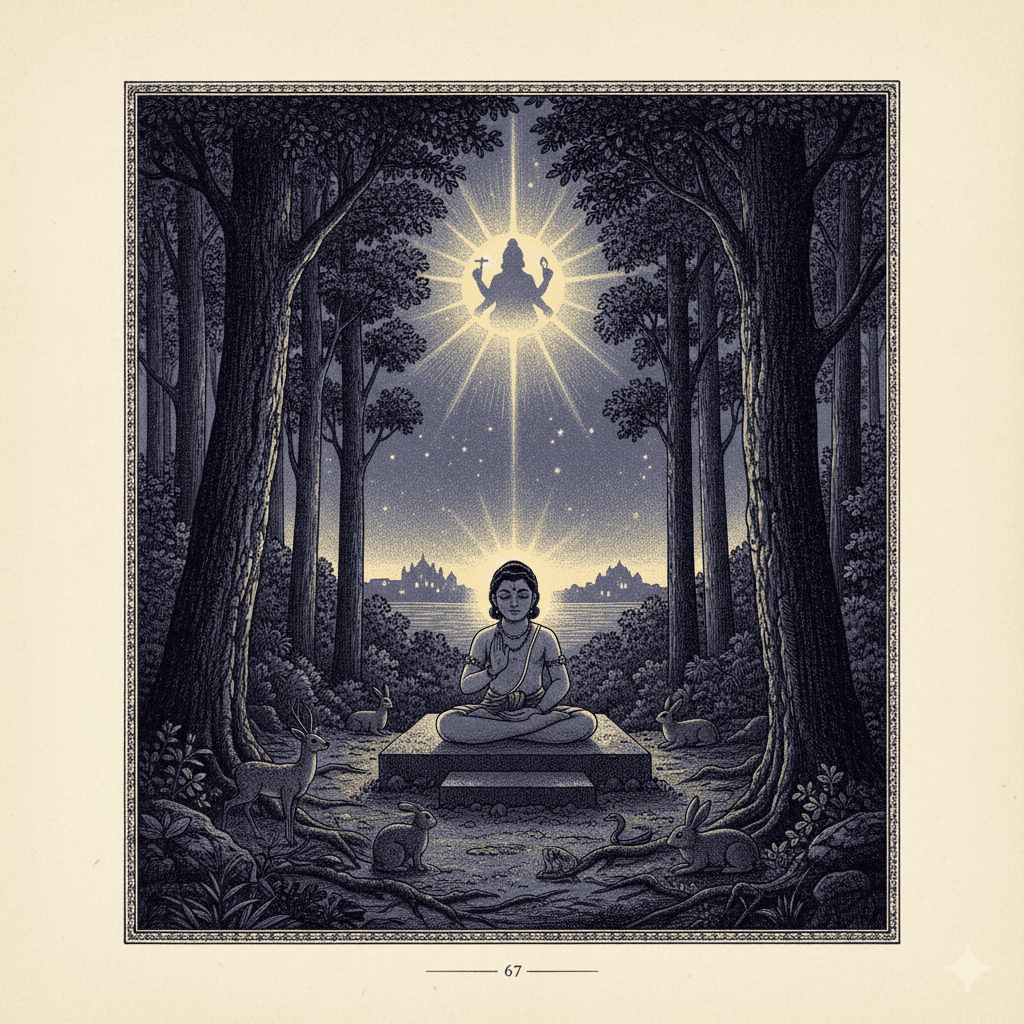
The five-year-old prince who performed severe penance in the forest to meet Lord Vishnu after being insulted by his stepmother. His single-minded devotion and intense tapasya pleased Vishnu, who granted him a place as the Pole Star (Dhruva Nakshatra), eternally fixed in the sky as a symbol of steadfastness.
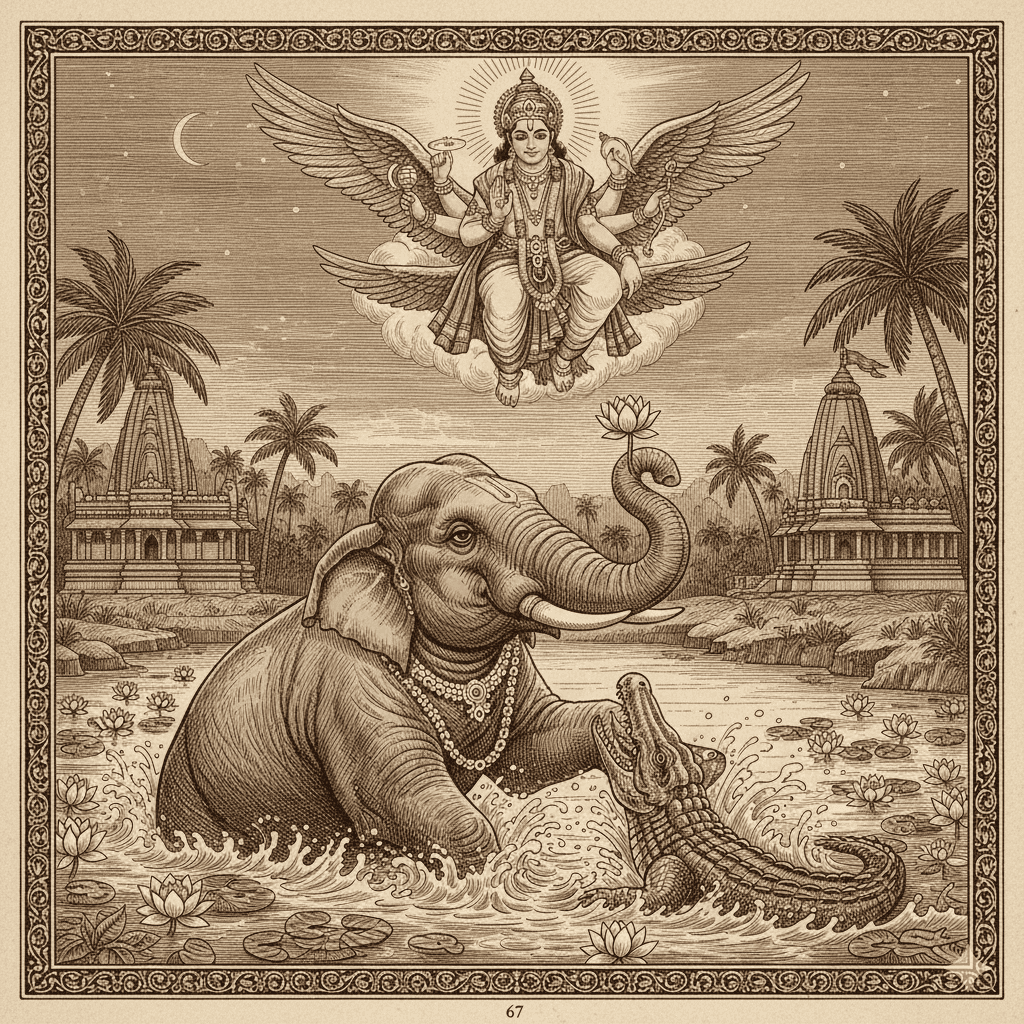
The elephant king who, when caught by a crocodile, called out to Lord Vishnu with complete surrender after struggling for a thousand years. His story demonstrates the power of total surrender (sharanagati). Vishnu immediately appeared and saved him, granting him moksha and teaching the importance of devotion over strength.
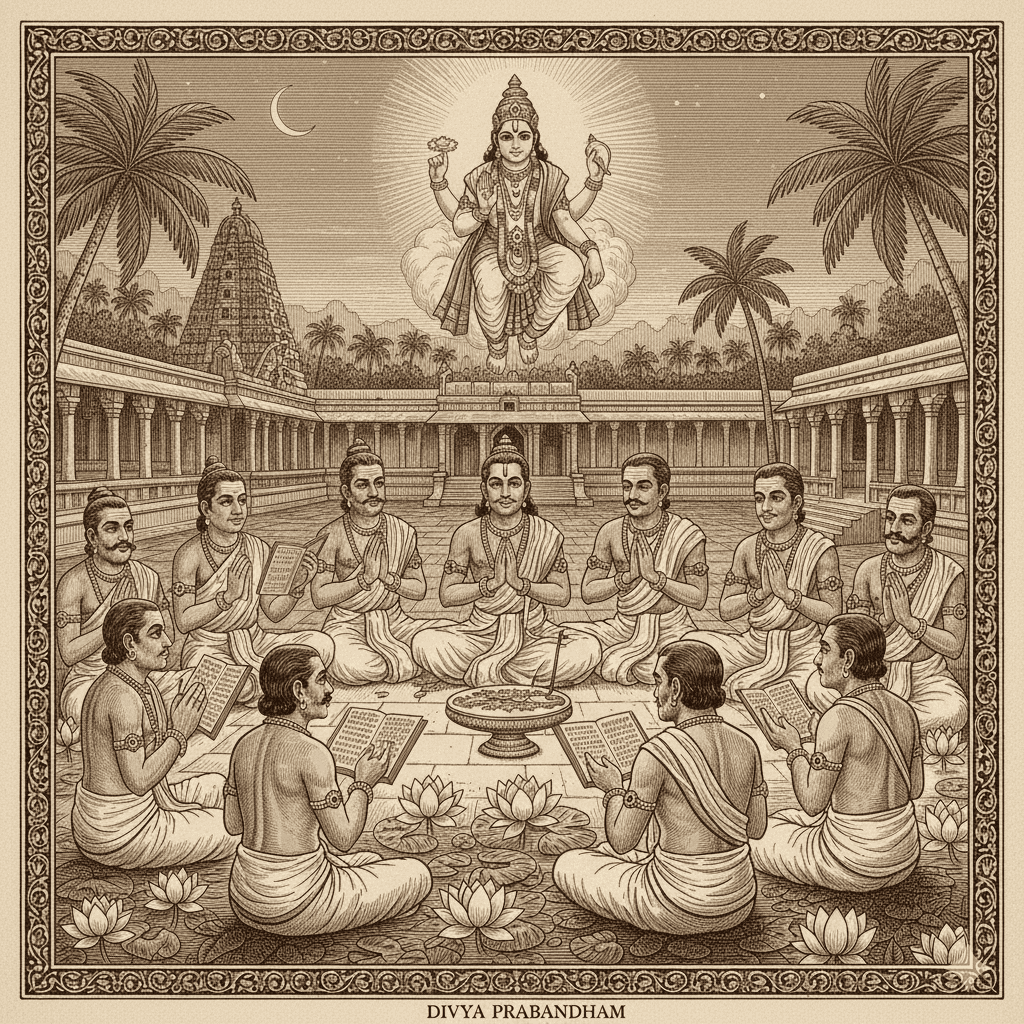
The twelve Tamil poet-saints (7th-9th century CE) who composed passionate devotional hymns to Vishnu in Tamil. Their compositions form the Divya Prabandham, considered the 'Tamil Veda' in Sri Vaishnavism. They traveled across South India singing praises of Vishnu and established 108 Divya Desams (sacred Vishnu temples).
Divine Abodes Across India
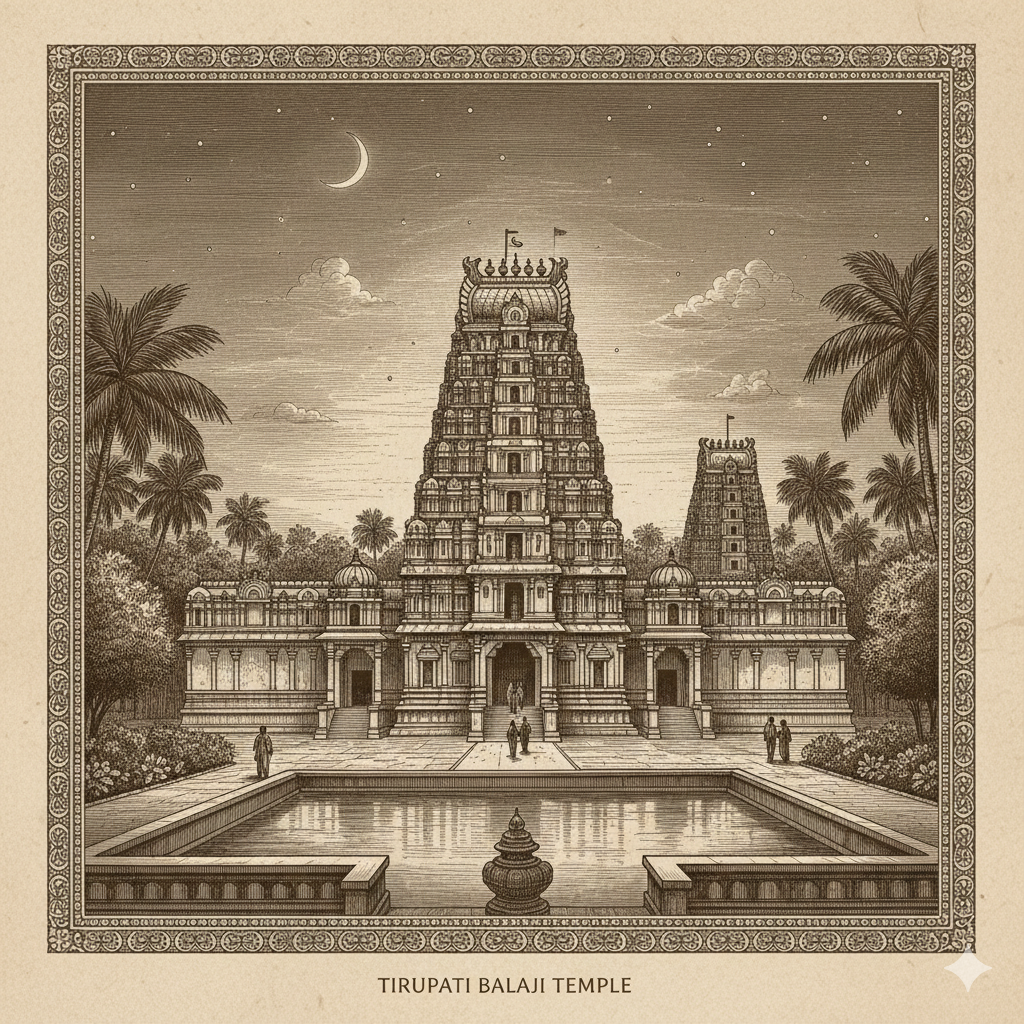
Andhra Pradesh
The richest and most visited Hindu temple in the world, dedicated to Lord Venkateswara (a form of Vishnu). Located on the seven hills of Tirumala, it receives millions of pilgrims annually. The presiding deity is believed to have manifested in Kali Yuga to save mankind from the trials and tribulations of this age.
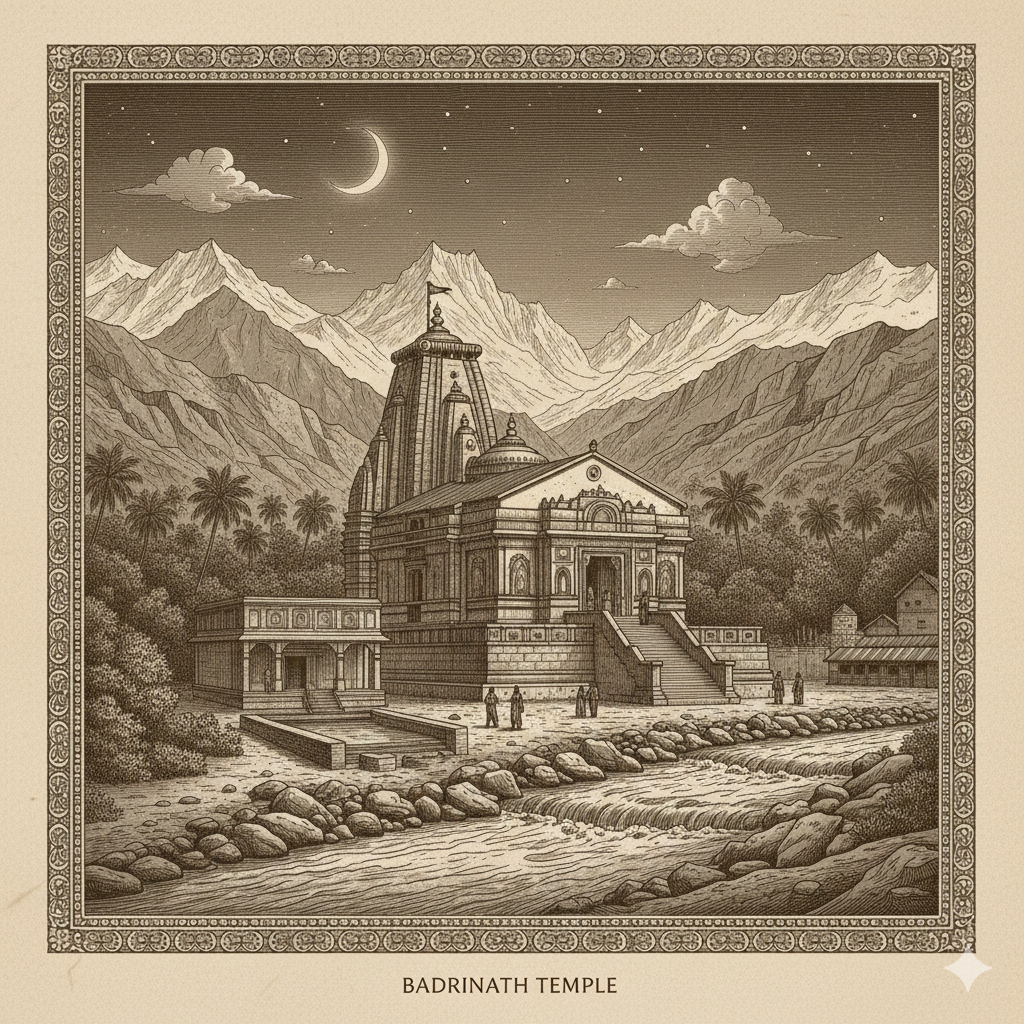
Uttarakhand
One of the Char Dham pilgrimage sites in the Himalayas at 3,300m elevation. Dedicated to Lord Badrinath (Vishnu), this ancient temple is mentioned in scriptures and was re-established by Adi Shankaracharya in the 8th century. The temple remains closed during winter months due to extreme weather, and the deity is symbolically moved to Joshimath.
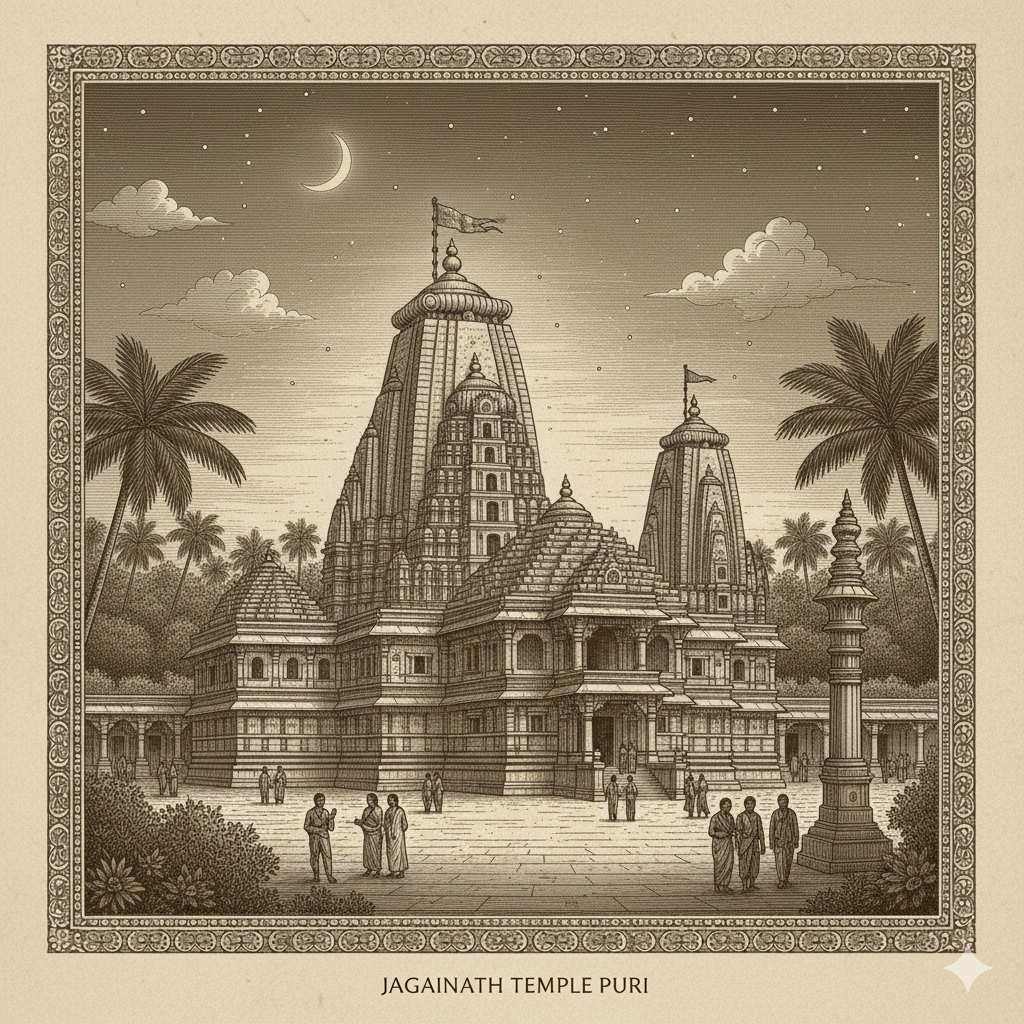
Odisha
Famous for the annual Rath Yatra (chariot festival) where Lord Jagannath, his brother Balabhadra, and sister Subhadra are taken out in massive chariots. One of the Char Dham pilgrimage sites, it's the only major temple where Vishnu is worshipped along with his siblings in this unique form, with large round eyes symbolizing divine omniscience.
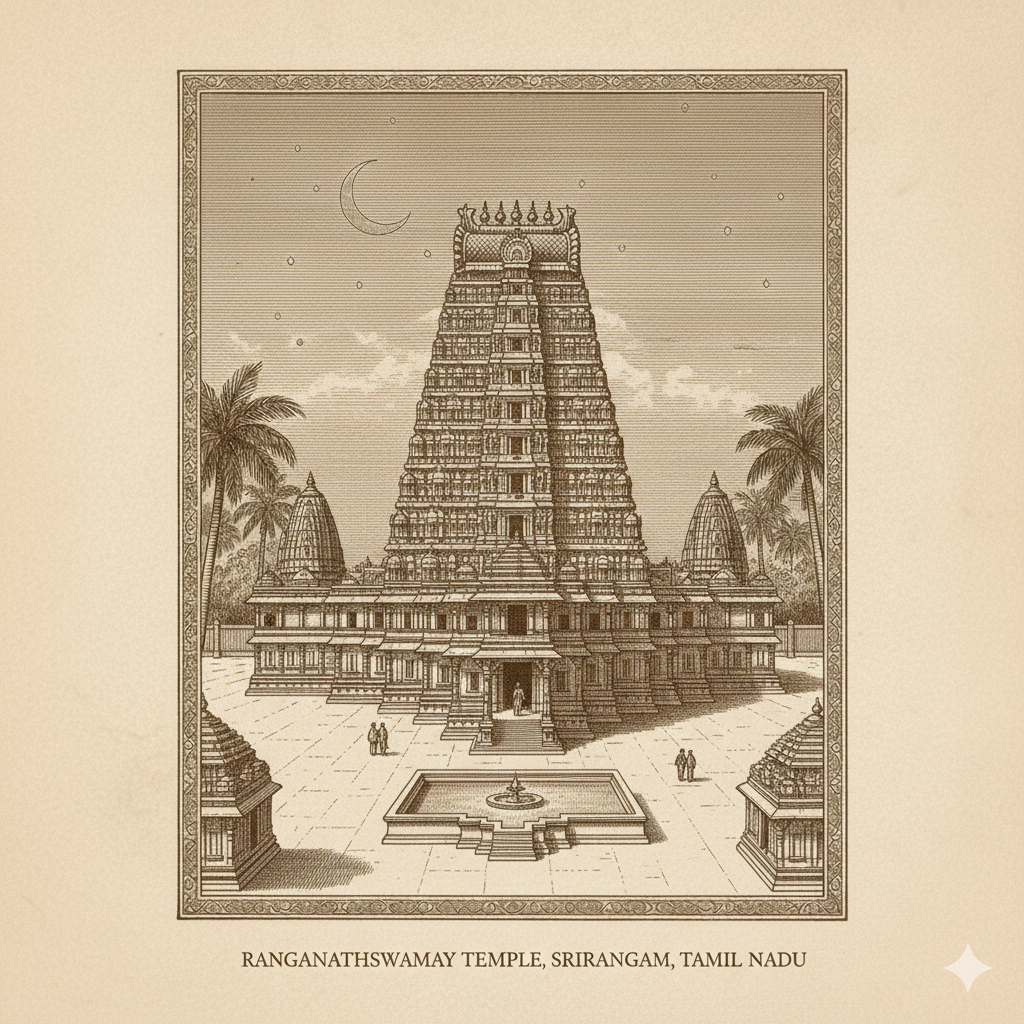
Tamil Nadu
The largest functioning Hindu temple complex in the world, spanning 156 acres with 7 concentric walls and 21 gopurams. Dedicated to Ranganatha (reclining Vishnu on Adisesha), it's the foremost of the 108 Divya Desams (holy abodes of Vishnu) and considered the most important temple in Sri Vaishnavism. The temple has been praised by numerous Alvar saints.
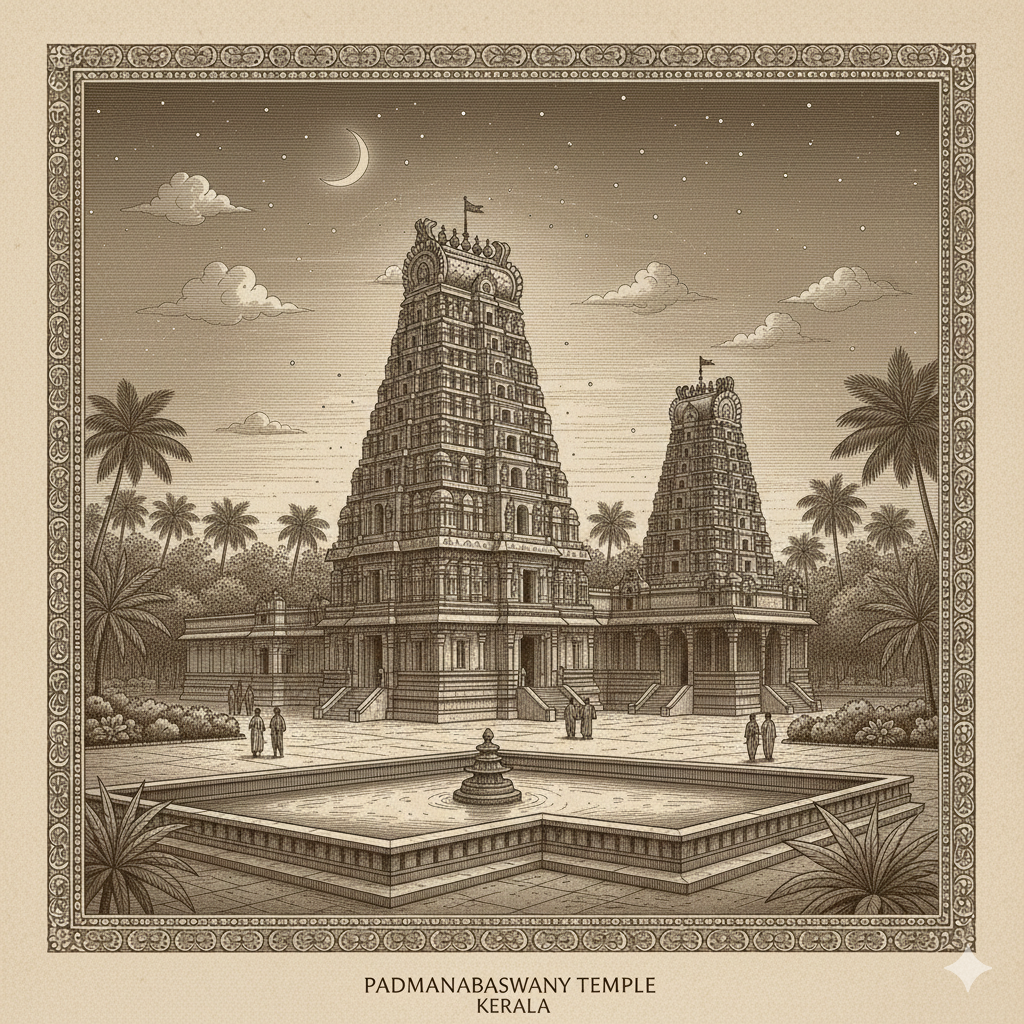
Kerala
Known for its immense treasures discovered in underground vaults and unique reclining Vishnu deity (Anantha Shayanam position) spanning 18 feet. The temple's wealth makes it one of the richest religious institutions in the world. Built in Dravidian style with Kerala and Tamil influences, it's deeply connected to the royal family of Travancore.
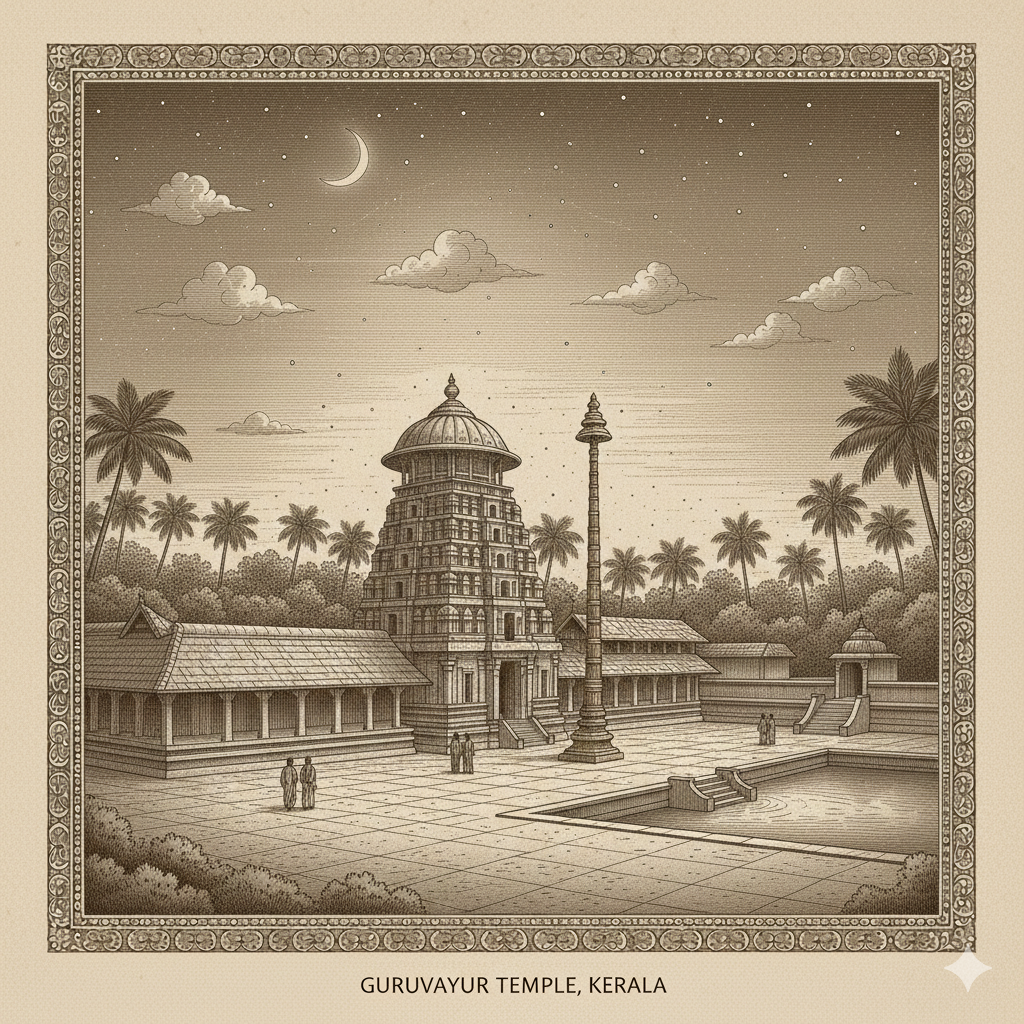
Kerala
Known as 'Dwarka of the South,' this temple is dedicated to Guruvayurappan (child form of Krishna). It's one of the most important Krishna temples in India, famous for its strict traditional dress code, elaborate daily rituals, and the legendary temple elephant Guruvayur Keshavan. The presiding deity is believed to be the same idol worshipped by Lord Krishna in Dwarka.
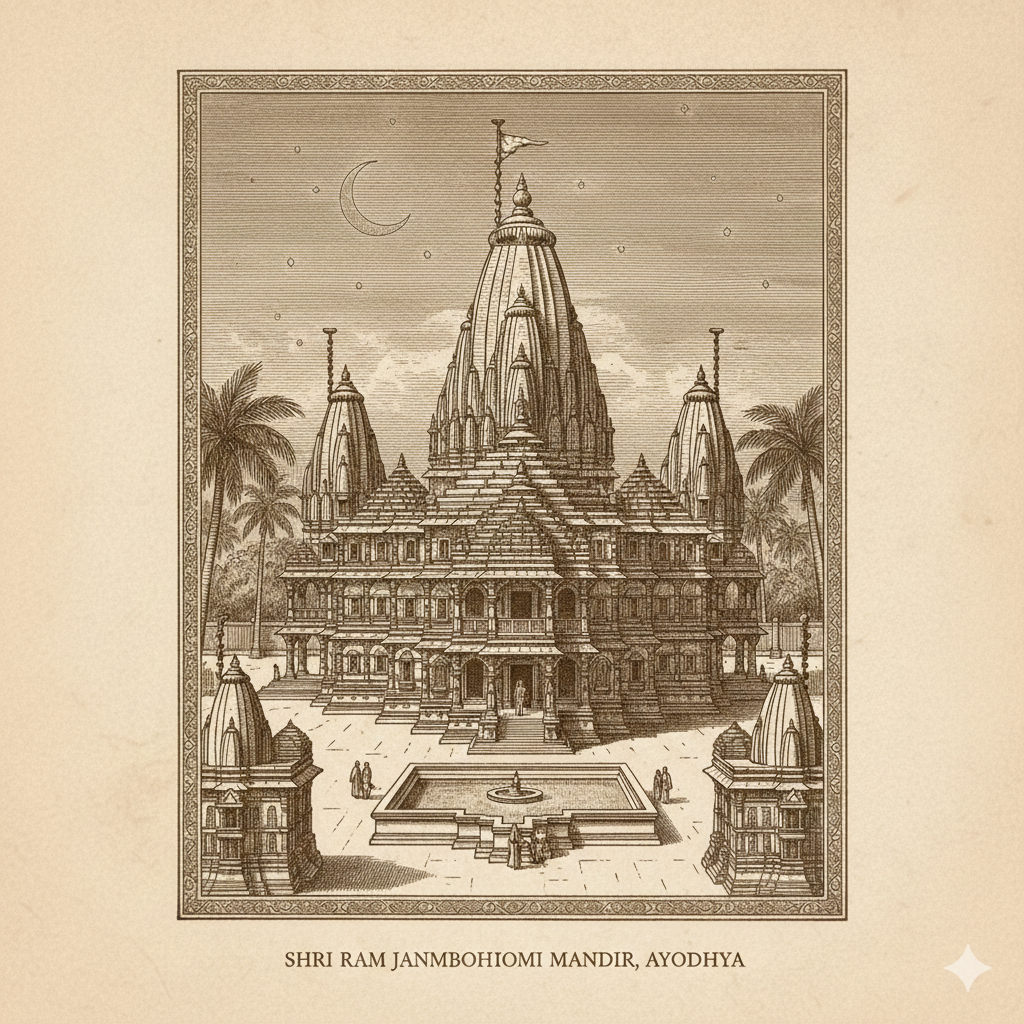
Ayodhya
The sacred birthplace of Lord Rama, one of Vishnu's most beloved avatars. After centuries of historical significance and recent reconstruction, the magnificent Ram Mandir now stands as a testament to devotion. This holy site attracts millions of pilgrims who come to worship at the birthplace of Maryada Purushottam Rama, the ideal king and upholder of dharma.